

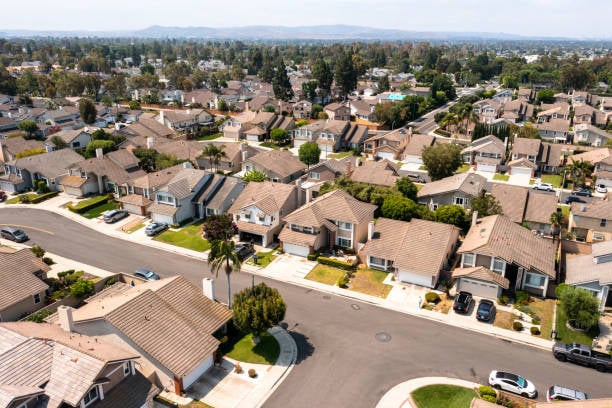
If you’re preparing to buy or sell a condo in North Orange County, one question rises to the surface in nearly every conversation, whether it’s during a consultation, an open house, or a financial planning session. Buyers ask it when determining how much home they can afford. Sellers ask it when evaluating comparable sales and deciding how to price their property. And agents hear it almost daily from clients across different communities That question is simple, but the answer is surprisingly complex: Do high HOA fees make a condo harder to sell? In North Orange County, particularly in cities like Yorba Linda, Brea, Fullerton, Placentia, Anaheim Hills, and La Habra, this question matters more than in many other regions. That’s because HOA fees here vary dramatically from community to community. Some complexes have modest dues in the low $200s, while others exceed $600 per month. These fees influence far more than monthly affordability, they impact how buyers perceive value, how sellers price their homes, and ultimately how long the property remains on the market.
What the Data Shows—HOA Fees Above $500 Increase Days on Market
When examining Days on Market (DOM), one of the most reliable indicators of buyer interest and overall market competitiveness, the contrast between communities with HOA fees below and above $500 becomes unmistakably clear. Properties in lower-fee neighborhoods tend to attract stronger and faster buyer engagement, often moving more quickly due to broader affordability and fewer monthly financial barriers. Conversely, homes in communities with HOA fees exceeding $500 generally experience longer market times, suggesting a narrower pool of buyers willing or able to take on higher recurring costs. This disparity highlights how HOA fees directly influence buyer behavior and market velocity, making DOM a powerful metric for evaluating the true impact of community fees on real estate performance.
Condos With HOA Fees Over $500:
Average DOM: 70–100 days
Median DOM: ~55 days
Many listings exceed 100 days before receiving a solid offer
Condos With HOA Fees Under $500:
Average DOM: 18–28 days
Median DOM: ~11–12 days
Most sell quickly, often with multiple offers during the first week
Why does this happen?
Most buyers shop based on their total monthly payment, not just the list price. This means that a higher HOA fee has the same effect as increasing the purchase price, even if the property is listed competitively.
To understand buyer psychology, consider the following:
A $600 HOA is equivalent to roughly $80,000 in mortgage buying power.
A buyer comparing two similar condos immediately weighs this monthly difference.
Even if a condo is priced attractively, a high HOA can make it feel financially out of reach.
How buyers react:
They filter the listing out of their online search.
They prioritize lower-HOA communities.
They shift toward townhomes or small-lot single-family homes.
They delay touring, which reduces early momentum.
The result is fewer showings during the critical first two weeks, when the majority of strong offers are made. Without this momentum, DOM naturally increases, and sellers often feel compelled to reduce the price.
But this doesn’t mean high HOA fees always hurt value. Community type plays a massive role in how buyers perceive those fees.

Does a High HOA Lower Property Value? The Real Answer
Many homeowners assume that high HOA fees automatically hurt resale value, but the reality is far more nuanced. HOA fees only become a negative factor when they are out of alignment with the community’s overall quality, condition, and amenities. When high fees are used to fund strong reserves, consistent maintenance, updated infrastructure, and desirable lifestyle features, they can actually protect or even enhance property values by ensuring the neighborhood remains visually appealing, structurally sound, and competitively equipped. In these cases, buyers often view higher dues as an investment in long-term stability rather than a financial burden. The relationship between HOA fees and condo desirability is especially dependent on a community’s age, upkeep, architectural style, and the perks it offers, from security and landscaping to pools, fitness centers, or walkability. In North Orange County, this dynamic becomes even more pronounced, where two distinct categories of high-HOA communities exist, each influencing buyer perception and market performance in different ways.
A) High HOA Fees in Older or Entry-Level Communities: Slower Sales & Price Sensitivity
These are typically properties built between the 1970s and 1990s. Examples include:
Kraemer Boulevard communities in Placentia
Twilight Canyon in Yorba Linda
Lakeview communities in Yorba Linda
Associated Road communities in Fullerton
Characteristics of these older communities:
HOA fees between $500–$650
Units priced between $430,000–$620,000
Aging roofs, siding, and balconies needing upkeep
Limited or older amenities
Higher maintenance costs passed on to owners
How buyers respond:
They feel the HOA cost is too high for what they’re getting.
They compare these complexes to newer, better-maintained developments.
They expect lower prices or credits from sellers.
They often skip touring entirely.
Market performance:
Longer DOM
More frequent price reductions
Increased negotiation
Higher buyer hesitation
In these situations, high HOA fees ultimately weaken a property's competitiveness because buyers perceive the monthly cost as unjustified compared to what they receive in return. When the amenities, maintenance quality, or overall community experience fail to match the level of the fees, prospective buyers begin to see the dues as an unnecessary financial strain rather than a value-adding benefit. This mismatch between cost and perceived value can cause homes to sit longer on the market, prompt more aggressive price negotiations, and reduce overall buyer enthusiasm.
B) High HOA Fees in Premium or Lifestyle Communities: Strong Sales & Buyer Demand
These communities include:
Newer townhomes in Yorba Linda
Resort-style senior communities
Placentia Draft-style communities
Fullerton’s well-maintained, amenity-rich developments
Characteristics of premium communities:
Attractive design and modern construction
Gated or secure access
High-end amenities such as gyms, clubhouses, and well-maintained pools
Strong reserves and consistent upgrades
Professional management and pristine common areas
How buyers respond:
They view the HOA as paying for convenience and lifestyle.
They value low-maintenance ownership.
They willingly accept fees above $500 when amenities justify them.
Market performance:
Many units sell in 10–15 days
Buyers compete despite high dues
High HOA fees are not seen as a negative, sometimes they're seen as a plus
In these cases, high HOA fees reflect high value, and buyers recognize it.
The “Pain Point Zone”-HOA Fees Between $550 and $650
Why this range creates resistance:
It crosses the psychological “$600 mark.”
It often doesn’t include luxury amenities.
Buyers compare it immediately to alternatives.
Lenders factor it into DTI, reducing purchase ability.
Common buyer shifts in this zone:
They redirect their search toward townhomes with private garages.
They consider small single-family residences instead.
They eliminate communities with aging construction.
They expect lower prices or concessions.
Impact on sellers:
Early showings decrease.
DOM rises sharply.
First price reduction typically occurs sooner.
Negotiation leverage shifts toward the buyer.
Despite this, buyers who don’t mind the higher dues often find great value here. Fewer competing buyers means more negotiating room.
Strategies for Buyers Purchasing a Condo With a High HOA
Even though higher HOA fees can deter a large portion of the buyer pool, savvy buyers can actually use this dynamic to their advantage. Properties with elevated dues often come with benefits that are overlooked by the average shopper, such as larger or more functional floor plans, superior interior layouts, or premium locations within the community, like end units, quieter courtyards, or better natural light. Because many buyers walk away the moment they see the monthly fee, competition for these units tends to be noticeably lower. This reduced demand can create opportunities for better pricing, stronger negotiation leverage, and the ability to secure a unit that might otherwise be out of reach in a lower-fee community. In short, while high HOAs may shrink the buyer pool, they can also open the door to hidden value for those who evaluate the total package rather than the fee alone.
Here are the most effective strategies for buyers:
1. Ask for a Seller Credit Toward HOA Fees
Many buyers don’t realize that sellers can legally pay:
3 to 6 months of your HOA fees upfront, or
Provide a lump-sum credit to offset the cost at closing
Why this works:
It eases the transition into the higher monthly cost.
It improves buyer affordability in the first year.
It makes the high HOA feel less intimidating.
2. Request a Price Adjustment Based on HOA Differences
When two otherwise similar condos come with different HOA fees, the variation in monthly costs can significantly affect a buyer’s overall affordability. Even a seemingly small difference in fees can translate into tens of thousands of dollars in lost purchasing power, reducing the price point a buyer can qualify for and ultimately shaping which homes remain within reach.
Example:
A $300/month HOA difference = $3,600 per year, which buyers feel immediately in their budgets.
Buyers can, and should, use this to justify a lower offer.
Sellers in high-HOA communities typically understand this logic.
3. Examine What the HOA Actually Covers
A high HOA isn’t necessarily expensive once you break down what's included.
Some HOAs cover:
Exterior hazard insurance
Water, gas, trash, or sewer
Landscaping
Roof, siding, and balcony repairs
Security patrols or gated access
Community amenities like pools, spas, gyms, and clubhouses
When accounting for these items, the total value may exceed what you’d pay individually.
4. Leverage Lower Buyer Competition
High-HOA condos:
Receive fewer showings
Attract fewer offers
Stay on the market longer
This is an advantage for buyers:
More negotiating room
Higher probability of seller credits
Less pressure to compete in bidding wars
Easier access to larger or updated units
Strategies for Sellers Listing a Condo With a High HOA
Sellers of high-HOA condos need to approach the market with a clear strategy from the very beginning. Because elevated monthly dues can narrow the buyer pool, proper execution becomes even more critical to prevent extended Days on Market. Pricing must be carefully calibrated to reflect both the home’s true value and the psychological impact of the HOA fee on buyers’ monthly budgets. Presentation also plays a major role, homes in higher-fee communities must stand out visually and emotionally to justify the overall cost of ownership. Equally important is proactive communication: sellers and agents should highlight what the HOA fee actually covers, underscore the benefits and long-term value it provides, and address concerns before they become objections. By combining accurate pricing, strong visual appeal, and transparent messaging, sellers can significantly improve their chances of attracting serious buyers quickly and avoiding the prolonged market time that often challenges high-HOA listings.
1. Price Ahead of the Market
Because buyers factor the HOA into their total payment, the list price must reflect this reality.
Sellers should consider:
Pricing $10,000 to $25,000 below similar units with lower HOAs
Offering credits to offset HOA fees
Adjusting pricing strategy based on DOM trends in the community
Correct pricing prevents the slow decline in interest that often leads to multiple reductions.
2. Clearly Communicate the Value of the HOA
Many sellers fail to explain what the HOA includes, leaving buyers to assume it covers very little.
Sellers should highlight:
Exterior insurance
Roof, siding, and building maintenance
Pest control
Landscaping
Utilities covered
Amenities such as pools, spas, and clubhouses
Community security
Buyers accept higher fees more easily when they understand what they are paying for.
3. Invest in Premium Presentation
High-HOA condos are judged more critically. To justify the monthly fee, the property must feel worth it.
Essential elements include:
Professional photography
High-quality staging
Fresh paint and updated fixtures
Clean, well-maintained common areas
Polished curb appeal
When buyers feel impressed, they feel more comfortable with the higher monthly cost.
4. Prepare for Longer Days on Market
Unless priced perfectly, high-HOA units often take more time to sell.
Avoid the “slow death cycle”:
Listing goes live with limited showings
Online engagement declines
The home lingers
Price reductions become inevitable
Buyers begin to question condition or value
Proper pricing and presentation can prevent this.
5. Offer Strategic Incentives
Buyers appreciate incentives that offset high monthly payments.
Popular options:
Seller-paid HOA fees for several months
Carpet or paint credit
Closing cost credit
Interest-rate buy-down assistance
These incentives can significantly widen the buyer pool.
Conclusion: HOA Fees Are a Critical Factor in North Orange County Condo Sales
Work With Jack Ma Real Estate
If you want a personalized HOA impact report for your condo community, including true market value with HOA adjustments, expected buyer behavior based on your HOA tier, estimated DOM, ideal pricing strategies, and buyer negotiation insights, Jack Ma Real Estate can provide a tailored analysis for your property. Simply share your property address to receive a comprehensive, expert evaluation designed specifically for your community.
Top 5 Frequently Asked Questions
1. Do high HOA fees always make a condo harder to sell?
Not always. While higher HOA fees can extend days on market, premium communities with strong amenities and newer construction continue to attract serious buyers who value convenience and lifestyle.
2. What HOA fee range creates the biggest challenge for sellers?
The most challenging range is between $550 and $650 per month. Buyers experience higher payment pressure here, leading to slower showings and increased comparisons to lower-HOA alternatives.
3. Can buyers negotiate HOA fees when purchasing a condo?
Buyers cannot change the fee itself, but they can negotiate seller credits, closing cost assistance, or price reductions to offset the cost of a high HOA.
4. Does a high HOA mean the condo is overpriced?
Not necessarily. Many high-HOA communities include extensive services, such as exterior insurance or major building maintenance, that can justify the cost. The key is evaluating what the HOA covers.
5. Do high-HOA communities appreciate in value?
Yes. Communities with strong management, quality amenities, and consistent maintenance typically retain or increase their value, even with higher dues,because buyers view them as stable, desirable, and secure.