


Understanding the “Blacklist.” In recent years, condominium owners and buyers have faced a growing obstacle: a hidden federal mortgage blacklist that can make condos unsellable with a mortgage. This “blacklist” is maintained by Fannie Mae (often called the Unavailable List) and flags condo or HOA communities that fail to meet strict lending standards. For example, in late 2024 a 440-unit Southern California complex (Shadow Ridge, Ventura County) was days from sale when the lender discovered the building had been “blacklisted,” causing the loan to be denied and the sale to collapse. In short, if your condo is on that list, it effectively becomes ineligible for conventional financing (Fannie Mae or Freddie Mac). This issue is no longer rare: industry sources report over 5,000 HOA or condo communities nationwide are on Fannie’s unavailable list, including roughly 500 in Southern California. In practical terms, buyers who aren’t aware of this can find themselves unable to finance the purchase, even with a solid credit profile.
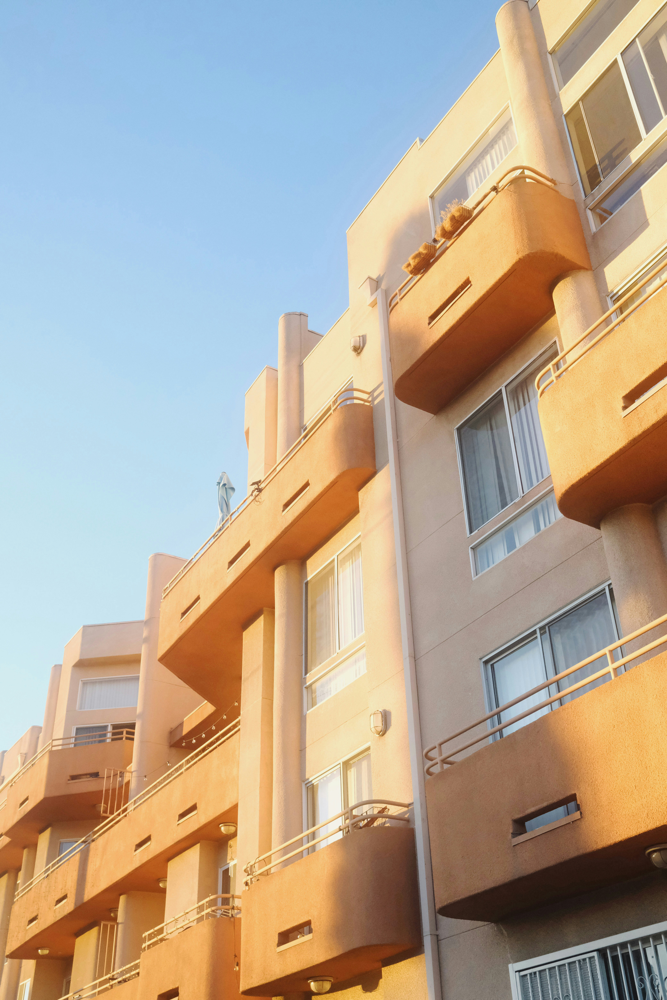
A typical Southern California condominium complex can face financing roadblocks if its HOA is flagged. Even modern, well-maintained buildings (as in this photo) may be denied mortgage approval if the association lacks required reserves or insurance. Condos not on Fannie’s list are generally warrantable, allowing buyers to use Fannie/Freddie-backed loans. But if an HOA appears on the unpublished “unavailable” list, lenders will mark the property ineligible for financing, which shrinks the pool of buyers to those paying cash or using expensive alternatives.
Why Condos End Up on the List
Fannie Mae’s review focuses on the health and safety of the building and the finances of the homeowners association (HOA). A condo project can be flagged – i.e. put on Fannie Mae’s condo blacklist for issues like: structural or safety problems, major deferred maintenance, underfunded reserves, pending litigation, or insurance shortfalls. For instance, California lawyers note that HOAs often fail Fannie’s test by not keeping even 10% of their budget in reserves. Fannie Mae expects associations to set aside at least 10% (and often more) of their budget for future repairs. If an HOA’s reserve study or budget shows inadequate funds, the project risks being deemed “unwarrantable.” In fact, one California consultant cites underfunded reserves as a common reason for HOAs to fall short of Fannie Mae’s eligibility.
Other top reasons for disqualification include insurance problems and pending lawsuits. Fannie Mae requires condo associations to carry 100% replacement-cost property insurance on the building. Many associations struggle to pay for full-coverage policies; even associations with some coverage may not meet Fannie’s strict terms. For example, after the 2021 Champlain Tower collapse in Florida, Fannie began enforcing that pools of insurance (shared by multiple projects) are not acceptable, and that each condominium has its own full-coverage policy. Without compliant insurance, a condo gets flagged. Similarly, active litigation such as lawsuits over construction defects or disputes within the HOA can prompt a flag because it threatens the project’s finances. Inadequate maintenance (broken elevators, leaky roofs, crumbling facades) is another key factor. In fact, California’s new safety laws (like SB 326, the balcony inspection law) mean many associations must pay for major repairs. Until those inspections and repairs are done and documented, associations may be ineligible for Freddie Mac financing, and likely for Fannie Mae as well.
Over the last few years these standards have tightened significantly. Industry experts note the number of flagged projects jumped sharply after Surfside (2021) and with rising hurricane and wildfire risks. One blog lists factors pushing more condos onto the list: stronger reserve requirements, soaring insurance premiums, deferred maintenance, and increasing litigation. Today in earthquake- or fire-prone California, and after new state laws, Southern California condo mortgage issues center on these credit and safety hurdles. Coastal (hurricane) states and areas with strict building laws see the heaviest blacklisting, and California with wildfire losses and expensive rebuilding is near the top of that list.
Impact on Buyers: Financing Roadblocks
The practical effect is stark: if a condo is on the federal “blacklist,” conforming loans are off the table for buyers. Mortgages that meet Fannie Mae/Freddie Mac standards usually offer low rates and minimal down payments (as little as 3–5%). But non-warrantable condos (those that fail eligibility) force buyers to seek non-standard loans. These non-warrantable condo loans often carry much higher interest rates and down payment requirements. For example, a buyer might get a 30-year Fannie loan at ~6.5% with 3% down on a qualifying project, but if the HOA fails the criteria, they may only qualify for a non-warrantable loan at roughly 7.75% with at least 20% down. In short, condos not eligible for financing face a double whammy: fewer lenders will even consider them, and those that do demand bigger down payments and higher rates.
Worse yet, even a buyer with an FHA or jumbo loan can get stuck. While FHA and VA have their own lists of approved condo projects, a project not on those lists means FHA/VA loans won’t work either. (Buyers can sometimes wait for a condo to be added to FHA’s approved list, or seek a one-off project approval process, but that takes time.) One Miami attorney notes that many owners of blacklisted condos end up selling only for cash, or accepting much lower prices. Indeed, examples abound where sellers cut prices or accepted cash buyers after conventional mortgages fell through.
In Southern California, where property values are high, this can leave sellers stranded. A condo that could fetch $600,000 with a loan might have to drop below that with only cash offers. A local loan officer puts it bluntly: Fannie and Freddie matter hugely when it comes to condo financing. Without their support, buyers face costlier loans or simply walk away. And from the market’s perspective, if many condos in an area are unsellable on traditional loans, it drags down prices and demand across the board.
HOA Problems That Affect Loans
Most of the blacklist issues stem from HOA problems affecting condo loans. Common red flags include:
- Underfunded Reserves: If the HOA’s annual budget shows less than 10% (or the required amount) set aside for future repairs, Fannie Mae will likely balk. Many older California associations only fund 5–7% or even less, making them automatically suspect.
- Pending Litigation: Lawsuits involving the HOA, whether over construction defects, boundary disputes, or other issues, can scare off lenders. Even a single large lawsuit can drop a project off the approved list.
- Deferred Maintenance or Safety Hazards: Broken elevators, deteriorating concrete, leaky balconies or roofs; all these can trigger blacklisting. California’s balcony inspection law (SB 326) requires detailed surveys by Jan. 2025; buildings needing work might fail Fannie’s criteria until fixed.
- Inadequate Insurance: As noted, Fannie Mae demands 100% replacement-cost insurance. Many associations carry much less coverage. In SoCal’s high-wildfire zones, insurance costs have soared, causing some HOAs to take reduced coverage and thus become ineligible.
- High Investor/Rental Ratios: Some loans guidelines discourage properties with large investor ownership (e.g. over 50% of units rented), since investors may not maintain reserves fully. While this is less common in SoCal’s suburban condos, it’s a factor nationwide.
Each of these issues can land a condo on a “no-go” list for mortgage backing. Critically, buyers often learn about these problems only at the last moment. Since Fannie’s list is not public, a lender might only discover the ineligibility after starting the loan process. In one case, a Realtor got a frantic call from the lender saying “Shadow Ridge has just been blacklisted,” killing the sale days before closing. That kind of surprise can cost buyers their deposit if not handled.
How to Check If a Condo Is Blacklisted
Given the stakes, how to check if a condo is blacklisted becomes crucial. Unfortunately, Fannie Mae does not publish its Unavailable List for homeowners. Instead, only authorized lenders or the HOA itself can readily access a project’s status. Here are key steps buyers should take:
- Ask the HOA or Seller Directly: The first move is to have the seller (or condo association) provide documentation. Boards or managers can log into Fannie Mae’s Condo Project Manager tool (CPM) and see if the project is listed or has a current review status. A Hawaii attorney confirms that only the HOA’s manager or board can check Fannie’s list; ordinary buyers cannot. So start by asking, “Has your condo been certified by Fannie or Freddie?” and request any FHA or Fannie approval letters.
- Contact Lenders Early: A savvy lender will run the condo project through Fannie’s CPM or Freddie’s equivalent. For Fannie Mae, lenders use the free online Condo Project Manager™ tool to determine eligibility. Freddie Mac does not keep a blacklist; instead a lender must submit a Project Eligibility Review (called a Project Assessment Request) and receive a “Project Certified” status if approved. Thus, your loan officer should check both: sometimes a project fails Fannie’s test but passes Freddie’s.
- Use FHA/VA Searches: If you are considering FHA or VA financing, check HUD’s official condo database. FHA has a site listing all approved condo projects. If your Southern California condo is not on that list (or has expired status), FHA/VA loans will not be approved. The HUD resource (not yet cited here) lets you search by project or address to confirm FHA approval.
- Review HOA Financial Disclosures: Even without a public list, red flags can emerge from the HOA’s financials. Look for the reserve balance (is it at least 10–30% of the budget?). Ask for the last reserve study and balance sheet. If the condo association’s reserves are low or special assessments are looming, assume trouble.
- Hire an Experienced Agent or Attorney: Real estate professionals who deal with condos will often know the warning signs. They can sometimes alert you if a development is known to have financing issues. If a loan denial does come unexpectedly, consult a condo/HOA lawyer quickly to explore whether documentation (like proof of insurance coverage) might override the issue.
Being proactive here is key. Don’t assume “if there’s a problem we’ll see it on the appraisal.” Appraisers do not check Fannie’s list or HOA finances in depth. The onus is on the buyer and lender to do a project review. As one mortgage blog puts it: Fannie Mae’s eligibility tool isn’t public, so prospective buyers “should contact the condo association or lender to check a property’s status”.
Non-Warrantable Condos and Alternatives
If a condo is blacklisted or otherwise fails Fannie/Freddie guidelines, it is often called a non-warrantable condo. In California, a non-warrantable condo might be one where fewer than 50% of units are sold, or where an investor owns a large share, or where HOA finances are shaky, among other causes. Financing these requires special solutions:
- Portfolio Loans: Some banks or credit unions offer “portfolio loans” for condos that are not FHA/VA-approved. These are often short-term or interest-only and carry higher rates. They are still conventional mortgages but the lender keeps (holds) them on its books instead of selling to Fannie/Freddie. Portfolio loans usually need about 20% down and credit standards similar to jumbo loans.
- Non-QM Lenders: A growing niche market of “non-qualified mortgage” lenders can finance non-warrantable projects. These loans might allow up to 75% LTV (25% down) and include features like bank statement qualifying. Rates are higher (often 1–2% above conventional). They may accept multiple condos in a project pooling their income (a “condo wrap” loan).
- FHA/VA Financing: If the condo is FHA-approved, a buyer can still use FHA or VA loans, which typically allow 3.5% (FHA) or 0% (VA) down if the borrower qualifies. However, FHFA (Fannie’s regulator) has its own rules and FHA/VA loans often have loan limits. Also, FHA has its own “approved condo list,” and if the project isn’t on that list, FHA won’t insure the loan.
- Cash Purchase: In some cases buyers resort to cash financing or home equity lines of credit from existing properties to buy the condo. This obviously removes mortgage contingencies but ties up more cash.
- Wait for Changes: Occasionally, a condo will fix its problems (e.g., finish repairs, pass legislation, or purchase more insurance) and then become eligible again. In that case, buyers or the HOA may try to update the project’s status so that Fannie Mae will accept loans. But this is a big “if” and can take months.
In all these cases, buyers should price this risk. A condo that only a non-warrantable loan can buy is worth less to the average buyer. And if using FHA, remember that California’s high-cost counties have FHA limits (around $1,089,300 in 2025 for a 30-year loan). For typical SoCal prices, that means many mid-range condos are already outside FHA’s guarantee amount.
Tips for Buyers in 2026

By 2026, these financing restrictions will be even more important for buying a condo in Southern California. Market conditions will still favor low-interest mortgages, so buyers accustomed to high leverage should double-check condo eligibility. Here are some actionable tips:
- Get a Thorough Project Review Early: As soon as you spot a condo, ask your agent to have the lender run a condo project review (through Fannie’s CPM or Freddie’s system) immediately, not after your offer is accepted. If your lender raises any red flags (like needed repairs or lack of insurance), you can negotiate or back out before it’s too late.
- Review HOA Documents Carefully: Read the HOA’s minutes and budget from the last year. Look for mentions of upcoming large repairs or insurance changes. Identify if special assessments are in progress or planned. Also check if any lawsuits or disputes are noted. A healthy HOA will have a reserve study with adequate funding. If language in the HOA minutes mentions deferred maintenance or vote issues, dig deeper.
- Ask About Insurance: Make sure the HOA’s master insurance policy meets Fannie/Freddie standards (i.e. covers 100% replacement costs and building code upgrades). If it doesn’t, ask how the HOA plans to get compliant. Knowing this upfront can tell you if blacklisting is imminent.
- Consider Contingencies: When making an offer, include a financing contingency that explicitly states your loan must be Fannie/Freddie or FHA-approved. This gives you an out if the condo isn’t eligible. Without such a contingency, you risk losing your deposit if your loan is denied at the last minute.
- Look at Reserve Balances: If the reserve fund is under 50% funded (or far below SB 721’s 30% threshold for large condos, effective Jan 2025), budget for potential special assessments. This also signals potential trouble getting a typical loan.
- Consult Legal/Financial Advisors: The mortgage rules have become quite technical. If you are serious about a particular condo, you may want to consult a real estate attorney or a knowledgeable mortgage broker who deals with HOA finances. They can interpret if being “non-warrantable” is temporary or likely permanent.
- Explore Loan Options Upfront: If you know the condo is non-warrantable, start talking to lenders about portfolio or non-QM loans before making an offer. Getting a pre-approval for a portfolio loan can strengthen your offer even if it means putting more down.
The landscape of condo lending in SoCal is one of heightened scrutiny. Even if your credit is excellent, condo financing restrictions in SoCa, driven by federal and state rules, can shut the door on low-down-payment loans. As of 2026, any condo buyer in Southern California should prioritize checking the project’s lender eligibility before anything else. Doing so helps avoid the last-minute heartbreak of a “blacklist” denial.
Being an informed buyer means learning how to check if a condo is blacklisted and understanding why it might be. In many cases, just a few percentage points and extra cash (and a bit of patience) can overcome these hurdles, but only if you know about them early. Keep these tips in mind, do your homework on the HOA, and work closely with your lender, that way, you can still buy your dream Southern California condo in 2026 without unexpected surprises.
Make Confident Condo Decisions in Southern California
Buying a condominium in Southern California in 2026 requires more than reviewing price and location. Federal mortgage eligibility now plays a central role in whether a purchase can move forward without delays or costly surprises. The presence of federal mortgage blacklist condos, non-warrantable condos California, and HOA-related risks has changed how buyers must approach due diligence.
Understanding Southern California condo mortgage issues early helps protect buyers from denied loans, higher interest rates, or failed escrows. Knowing how condo mortgage approval Southern California works, reviewing HOA financial health, and learning how to check if a condo is blacklisted can prevent avoidable setbacks.
With proper planning, clear documentation, and experienced guidance, buyers can still succeed in buying a condo in Southern California 2026. Awareness remains the strongest tool. Those who ask the right questions before making an offer place themselves in a far stronger position throughout the transaction.
Take the Next Step With Confidence and Clarity
Buying a condo affected by condo financing restrictions SoCal requires local knowledge, lender coordination, and careful review of HOA records. This is where expert representation makes a measurable difference.
Jack Ma Real Estate works closely with buyers, lenders, and condominium associations across Southern California to help identify potential financing issues early, assess HOA risks, and guide clients through informed purchasing decisions.
If you are planning to buy, sell, or evaluate a condominium impacted by HOA problems affecting condo loans or federal lending rules, now is the time to speak with a professional who understands these challenges in detail.
Contact Jack Ma Real Estate today to discuss your goals, review property eligibility, and move forward with confidence in the Southern California condo market.
FAQs
1. What is the federal mortgage blacklist for condos?
The federal mortgage blacklist refers to condominium projects flagged by Fannie Mae as ineligible for conventional financing due to financial, insurance, legal, or safety concerns within the HOA.
2. Are condos not eligible for financing impossible to sell?
No. Condos not eligible for financing can still be sold, but buyers may need cash, portfolio loans, or non-conventional financing, which often limits the buyer pool and affects pricing.
3. How do HOA problems affect condo loans?
HOA problems affecting condo loans often include low reserve funds, inadequate insurance coverage, pending litigation, or deferred maintenance. These factors increase lender risk and can block approval.
4. Can a condo be removed from the Fannie Mae condo blacklist?
Yes. If an HOA resolves the issues that caused ineligibility—such as increasing reserves or updating insurance—the project can be reviewed again and potentially regain eligibility.
5. Who should buyers contact to verify condo mortgage approval?
Buyers should work with an experienced real estate professional and lender. They can review HOA documents and determine condo mortgage approval Southern California status through lender-only systems.
Check out this article next