

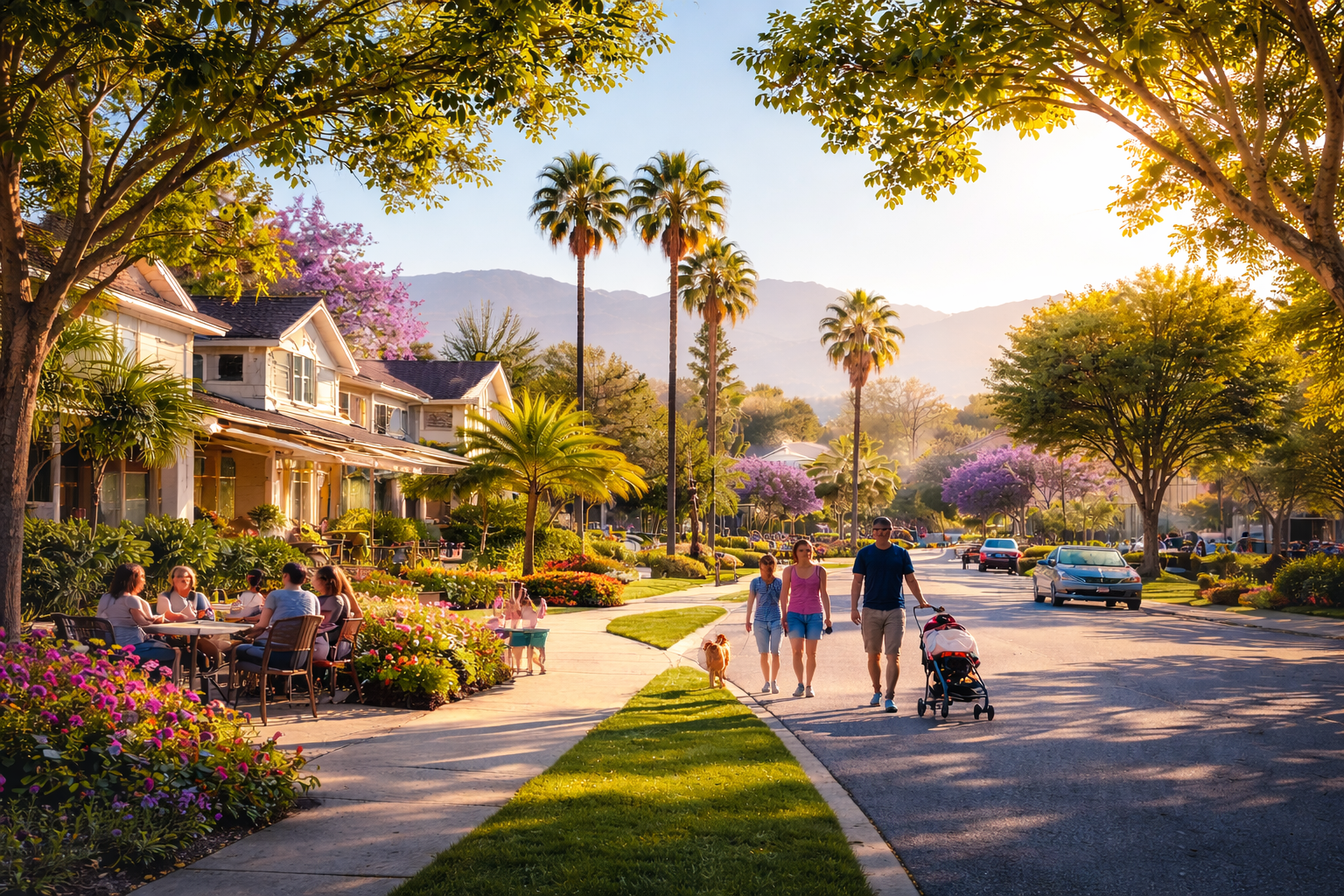
Southern California’s distinctive lifestyle: year-round sunshine, diverse landscapes, and sprawling cities means where you live has a huge impact on everyday life. For Southern California home buyers, neighborhood amenities Southern California offers such as highly-rated schools, parks, and pedestrian-friendly streets, often carry more weight than a home’s square footage. These features set the stage for family life and directly affect home prices. For example, studies show that homes in top school districts or near well-maintained parks in California sell for significantly higher prices. Current SoCal real estate trends highlight this point: after 2020, buyers renewed their appreciation for outdoor space and community amenities. One analysis notes the pandemic “fostered a renewed appreciation for outdoor spaces and community-oriented living,” making homes with access to parks, beaches or trails especially coveted. In parallel, competition for homes in top-rated school zones has driven prices up across Southern California. Taken together, these trends show that features like schools, parks and walkability are increasingly what shape the Southern California market today.
Southern California home buyers often look for:
- High-quality schools: For many Southern California families, a home’s school district is as important as the house itself. Neighborhoods with top-rated public schools attract more buyers and command higher resale values. Homes within the boundaries of a highly-ranked school often sell for well above similar homes elsewhere.
- Nearby parks and recreation: Access to parks, trails and open spaces is a major draw in SoCal. In fact, research in Los Angeles shows that parks near homes significantly boost property values, reflecting how much buyers value outdoor amenities.
- Walkable neighborhoods Southern California: Pedestrian-friendly communities with shops, cafes and transit links are in high demand. National data indicates each point of Walk Score adds about $3,000 to home value, and Los Angeles-area studies find similar walkability premiums.
- Family-friendly neighborhoods SoCal: Safe, welcoming communities with good sidewalks and low traffic are especially desirable. These areas encourage exercise, socializing and a strong sense of community, which in turn makes homes there more valuable.
High-Quality Schools: A Major Factor for Families
For buyers with children (or planning for them), excellent schools are often non-negotiable. Well-rated schools create a lot of demand and a major price premium. Families are willing to pay extra for homes in top-performing school districts. This connection is obvious in the numbers: one analysis of California markets found that homes in the very best school zones sold for hundreds of thousands more than similar homes in average zones. For example, in Orange County the home sale price near a top-ranked elementary school (Dysinger Elementary in Buena Park) was about $423,000 higher (roughly 43% more) than in an average district. On the extreme end, median prices within a mile of highly-rated California schools can reach into the multi-million range: one Los Altos Hills elementary school zone had a median around $3.56M, and a Los Angeles-area middle school zone (near Pacific Palisades) ran about $4.9M. Researchers even describe this as a “nourishing loop”, affluent families move to good schools and their investment helps keep the school quality high. In short, in Southern California the link between schools and home values is well-established: better schools attract buyers, boosting home prices and eventual resale value.
Parks and Green Spaces: Outdoor Living and Home Value
Southern California’s sunny climate makes parks and outdoor spaces a way of life, and those green spaces translate into higher home values. Today’s homebuyers expect neighborhood parks, playgrounds and trails for exercise and family activities, and studies show they’ll pay more for them. In fact, numerous analyses have found that proximity to a nice park raises property values. For example, one Los Angeles study reported that homes closer to parks commanded higher prices, even if residents never use the park. Most people are “willing to pay more for a home close to a nice park”, the study noted. The effect is measurable city-wide: an economic analysis estimated that in 2015 parks added about $2.29 billion in residential property value in Los Angeles alone. National surveys tell the same story: homes near parks generally sell for a premium.
Parks and trails also improve quality of life. They provide places for kids to play, for dogs to run, and for families to gather, all at no cost. As one recreation report states, parks enhance property values, recreational opportunities and public health. In Southern California, where beaches and open hills complement parks, having green space nearby is a key amenity. All else equal, a park within walking distance can make a neighborhood significantly more appealing, which is why parks near homes in SoCal remain a major selling point for buyers.
Walkable Neighborhoods: Convenience and Community
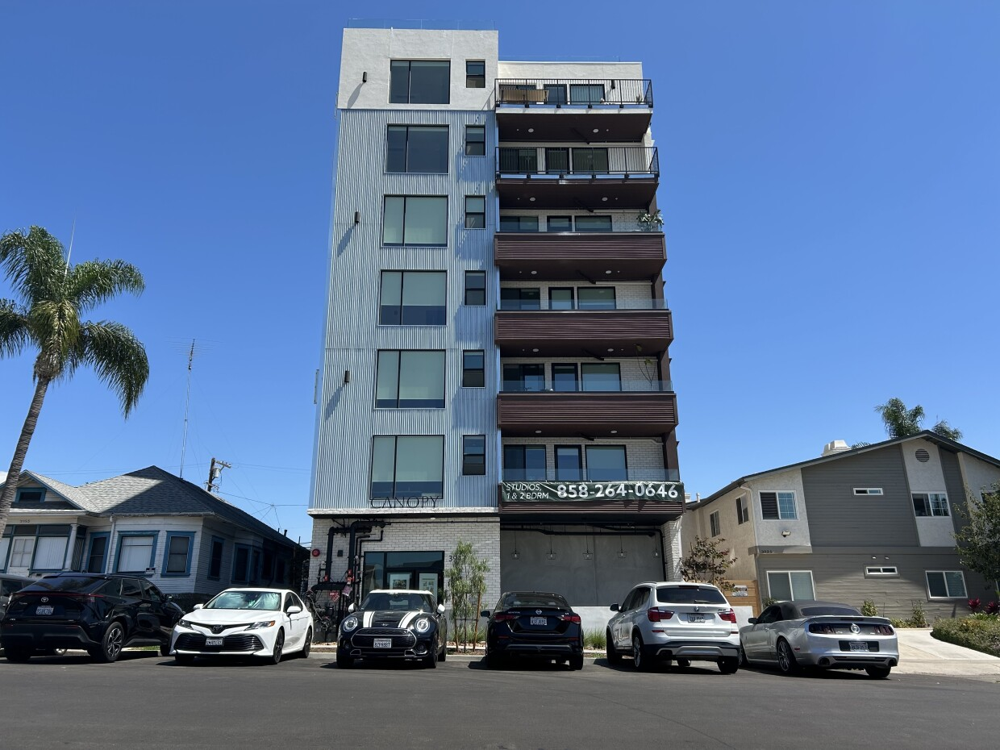
New housing in North Park, San Diego, one of the region’s most walkable neighborhoods, illustrates the kind of urban community design many buyers seek. Walkable neighborhoods make daily life easier. When homeowners can stroll to a coffee shop, grocery store or transit stop, they spend less time in traffic and more time enjoying their neighborhood. This convenience carries a price premium. In fact, a nationwide study found that each additional point on a home’s Walk Score adds about $3,000 to its value. Local research confirms the trend: in Los Angeles each Walk Score point was worth roughly $3,948 (about 0.83%) of home price. Because truly walkable areas are limited (most SoCal suburbs lack them by zoning), homebuyers pay extra to live in places that offer it.
Walkable communities also tend to be more active and healthy. Along with stores and transit, they usually feature sidewalks, bike lanes and public spaces that encourage exercise and socializing. Health studies find that walkable areas are linked to better outcomes and stronger community bonds. For example, UCSD research notes that living in a walkable neighborhood improves residents’ physical and social well-being. In short, a walkable street scene with people out walking, dining or riding bikes is not just a perk, it’s a valuable neighborhood characteristic that buyers increasingly demand.
Family-Friendly Communities: The Full Package
The most family-friendly neighborhoods SoCal are those that deliver on all fronts: great schools, parks and safe, walkable streets. Communities that hit this trifecta stand out in the market. For example, Irvine (Orange County) frequently tops “best of” lists for families: its school district is outstanding, it has an abundance of parks and bike paths, and its master-planned design features many pedestrian-friendly areas. Nearby Rancho Santa Margarita also scores high for families, with safe streets and lots of green space. On the coast, Manhattan Beach (Los Angeles County) combines top-ranked public schools with beach access and recreational parks. Inland areas like Temecula have similarly become popular by building new neighborhoods around schools, parks and trails.
Many of the best neighborhoods in Southern California share these qualities. Whether urban or suburban, they provide the amenities young families crave. This is no accident: areas with all these amenities command the strongest prices and demand. In family-friendly neighborhoods across SoCal, houses do not stay on the market long, and buyers are willing to pay up for the peace of mind that comes with excellent schools and lots of outdoor options. In short, choosing a home in a community with these combined features is exactly what Southern California buyers are doing, and it’s reflected in home values.
Location Matters: Price and Resale Value

Ultimately, how location affects home value is clear: in Southern California, location features like schools, parks, and walkability translate directly into higher prices and better resale value. Data from recent years bears this out. A Redfin study showed that in coastal California homebuyers were paying $300,000 to $500,000 more for houses in the highest-ranked school zones compared to average ones. Similarly, homes near parks or in pedestrian-friendly communities consistently sell at a premium. These trends mean that the choices buyers make now (favoring great schools and convenient amenities) are also sound investments. In fact, the resale value of homes in Southern California tends to reflect these neighborhood qualities. Owners in sought-after school districts or park-rich neighborhoods will see that their home holds value when they sell.
In practice, this means that location truly is investment. A house in a community with good schools, clean parks and sidewalks will usually appreciate more and sell faster than an otherwise identical house lacking those features. In the competitive SoCal market, a home’s location can add tens or even hundreds of thousands of dollars of value. Buyers who prioritize these factors are often rewarded when it comes time to sell.
Ready to Find the Right Neighborhood for Your Next Home?
For Southern California home buyers, the local lifestyle factors of schools, parks and walkable streets are far more than convenience. They are a central part of the housing value proposition. Homes in neighborhoods with high-quality schools, nearby parks and pedestrian-friendly design not only make daily life better but also command higher prices. Research and recent market trends confirm that family-friendly neighborhoods in SoCal; those with great schools and plenty of green space consistently outperform others in terms of desirability and price. In other words, choosing a home in a neighborhood with these amenities pays off both in quality of life and in resale value of homes in Southern California. When buying a Southern California house today, families are wise to look beyond the walls of the home itself and invest in a neighborhood that will nurture them and their property’s worth for years to come.
Work With Jack Ma Real Estate
Jack Ma Real Estate helps Southern California home buyers make confident decisions by focusing on what truly matters are location, neighborhood quality, and long-term value. Whether you are buying your first home or planning your next move, our team understands SoCal real estate trends, local school zones, walkability scores, and the neighborhood features that influence resale potential.
If you want help finding a home near top schools, local parks, and walkable streets, or understanding how location affects home value. Jack Ma Real Estate is ready to guide you every step of the way.
Reach out to Jack Ma Real Estate today to explore homes in the best neighborhoods in Southern California and take the next step with clarity and confidence.
FAQ’s
1. Why do schools matter so much to Southern California home buyers?
Schools play a major role because they influence daily routines, family life, and long-term property demand. Strong schools often lead to higher prices and better resale value of homes in Southern California, even for buyers without children.
2. Do parks really affect home prices in SoCal?
Yes. Access to parks near homes SoCal buyers prefer often raises demand. Homes close to parks, trails, or open space are more attractive and tend to hold value better over time.
3. What makes a neighborhood walkable in Southern California?
Walkable neighborhoods Southern California buyers look for usually include sidewalks, nearby shops, schools, public transit, and safe street design. These areas reduce car dependence and often come with higher home values.
4. Are family-friendly neighborhoods in SoCal more expensive?
Many family-friendly neighborhoods SoCal buyers favor do cost more, mainly because they combine strong schools, parks, and safety. These features also support long-term demand, which helps protect home value.
5. How can a real estate professional help me choose the right neighborhood?
An experienced local agent can explain neighborhood amenities Southern California buyers often overlook, compare school boundaries, review walkability, and help you understand how location affects home value before you commit.
Check out this article next