
Southern California’s housing market has been a roller-coaster of price gains and pauses in recent years. In many ways, condos have offered an entry point when single-family homes (houses) became too expensive. But within the condo market itself, location matters a lot. Coastal areas (think beach cities and Westside L.A.) have some of the priciest real estate in the nation, whereas inland regions (the Inland Empire, Central San Diego, and inland parts of L.A./Orange Counties) tend to be more affordable. Which type of condo has seen higher appreciation lately? Data and trends suggest that, as of 2025–2026, many inland condos have actually kept pace better and even outperformed many coastal condos. We’ll break down the Southern California condo appreciation trends by region, examine key factors, and highlight where condo buyers may find the most growth.
Southern California 2026 Outlook: Overall, analysts expect modest growth in SoCal home prices next year. The California Assoc. of Realtors (CAR) forecasts that the statewide median home price will rise about 3–4% in 2026 (to roughly $905K). Condo prices often move in tandem with the broader market, but they face their own supply-and-demand factors (e.g. condo fees, investor demand, and amenity shortages). In general, experts expect modest condo appreciation in 2026, with some regional differences (explained below). Notably, mortgage rates have eased from 2025’s highs (down to around 6.1–6.3% for a 30-year loan in early 2026), slightly improving affordability. Still, home prices are near historic highs and affordability remains a challenge for many buyers.
Condos vs. Houses: Price Comparison and Affordability
Condos are generally cheaper than single-family homes across Southern California, but that gap varies by area and time. As of late 2025, statewide data showed a median single-family home around $899K versus a median condo/townhome of about $650K. In SoCal specifically, the contrast is similar: for example, Los Angeles County’s median house was roughly $930K, while many condos sold in the $600K–$800K range. Downtown Los Angeles condos (~$718K) sold for far below the county’s house median. In Orange County, median single-family homes approached $1.38M in 2025, but condos in many cities were roughly 20–30% less than that. This price gap means condos are often a more attainable option: one analysis noted that about 27% of Californians could afford a $650K condo, versus only 17% who could afford an $887K house.
However, lower price doesn’t mean lower total cost. Condo owners pay HOA fees and special assessments (often $500–$1,000+/month in SoCal) on top of their mortgage, adding significantly to ownership costs. (By contrast, house owners pay more in maintenance and yard care, but no HOA fees.) In 2025 many California condos saw HOA dues jump 10–25% year-over-year due to rising insurance and maintenance costs. Thus, anyone tracking condo value growth must factor these costs into their investment math.
Coastal Condo Appreciation Trends
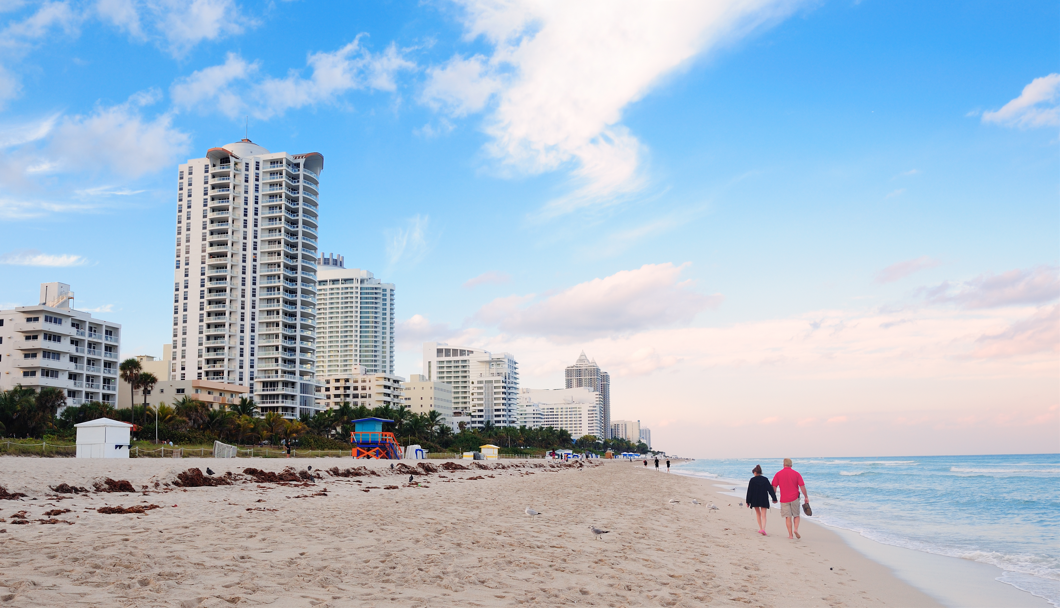
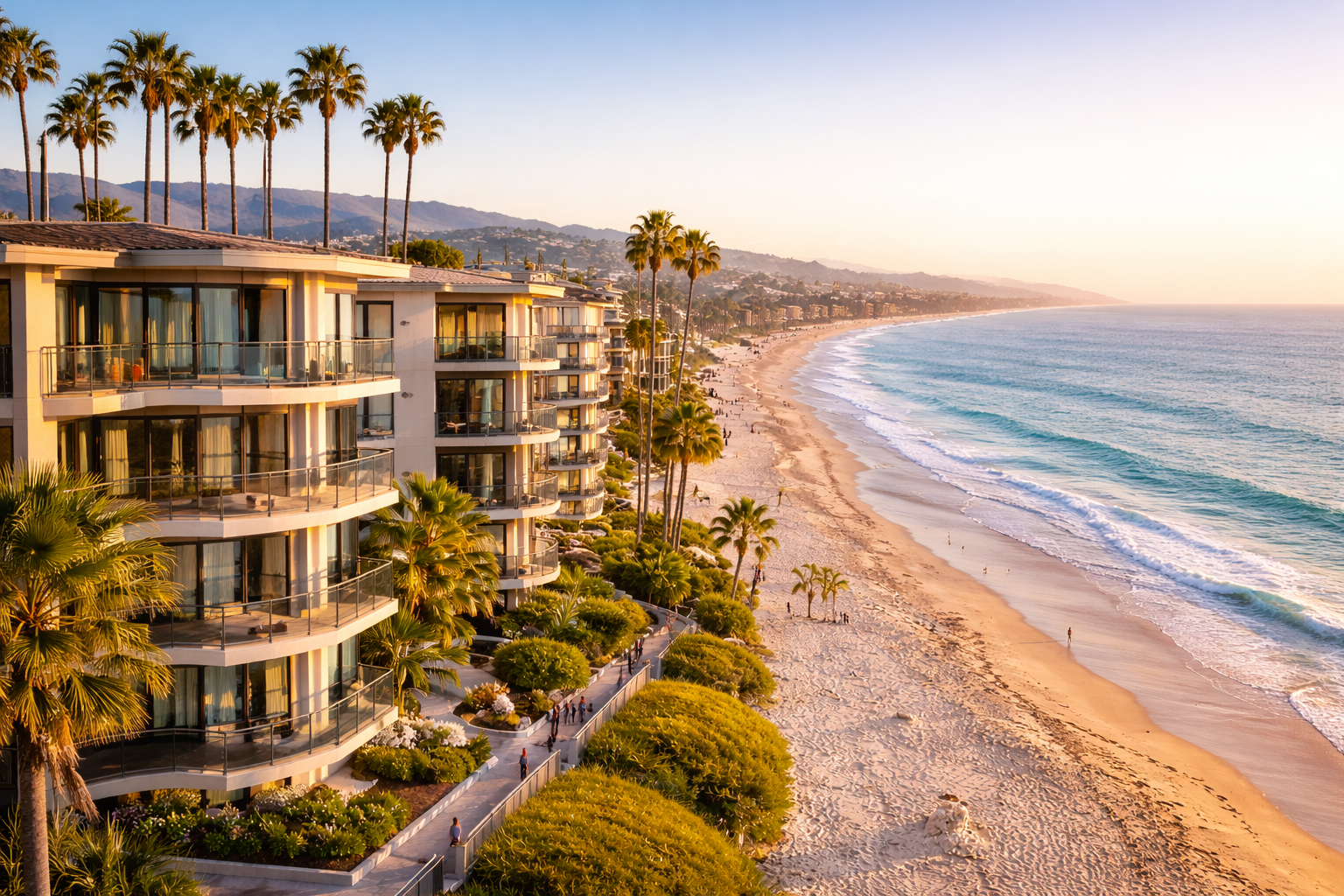
Coastal Southern California includes beach cities and the populous coastal areas of Los Angeles, Orange, and San Diego counties. Traditionally, these markets command a “coastal premium”: limited land, strong demand, and luxury lifestyle drive prices. But in recent years coastal condo appreciation has slowed or even declined compared to inland markets.
Los Angeles County (Coastal Markets): In Westside and beach cities, condo prices have been relatively flat. S&P Case-Shiller data show that by Nov 2025 the Los Angeles condo price index (which covers the L.A.-Long Beach-Anaheim metro) was down about 2.8% from a year earlier. In practical terms, that means coastal L.A. condos lost value in late 2025 (from ~430 in late 2024 to ~418 by Nov 2025, index units). This cooling is partly because prices there were already very high during the 2020–22 boom. For example, census data indicate that LA metro condos have a median around $837K (up only ~1.2% year-over-year in Aug 2025), whereas the Inland Empire’s condo median ($600K) was up ~2.5%.
Even in pricier areas, growth has been modest. For instance, boutique coastal markets like Newport Beach or Malibu may hold value, but broad data show only single-digit or flat growth. A Los Angeles Times analysis of Q4 2025 reported that the average Southern California home price (condos included) slid to $854K by Nov 2025, the lowest in a year. Similarly, upscale Bay Area condo markets (San Francisco, Santa Barbara) saw flat to slightly down prices in 2025. Coasts are stable but not booming. One reason is that expensive coastal condos saw less competition from first-time buyers (who have been priced out) and more turnover by downsizing empty-nesters. Another factor: many coastal condos are older buildings with high insurance/maintenance costs, which can dampen price growth when buyers have cheaper alternatives inland.
Orange County & San Diego (Coastal Suburban): Coastal SoCal suburbs also showed modest appreciation. In 2025 the median Orange County home (mostly single-family) was about $1.18M, and condo prices there generally rose slowly or plateaued. San Diego’s median home (near $960K in 2025) is similar. Some beach or downtown districts may buck trends, for example, certain luxury coastal condos hold their value, but broadly the coastal condo markets are not seeing double-digit gains. In fact, high mortgage rates and rising inventory in 2025 turned San Diego into a slight buyer’s market (median sales ~98.3% of list price).
Overall, coastal condo appreciation trends in late 2025 were flat-to-slightly up (or even down). For example, in the San Diego metro, condos had nearly flat median prices by end-2025. In Southern California as a whole, CAR data showed the median condo price actually dropped about 2.3% year-over-year to $649,950 in Aug 2025. Coastal prices were high and have become relatively range-bound. By contrast, inland areas (discussed next) have shown more robust gains from lower bases.
Inland Condo Appreciation Trends
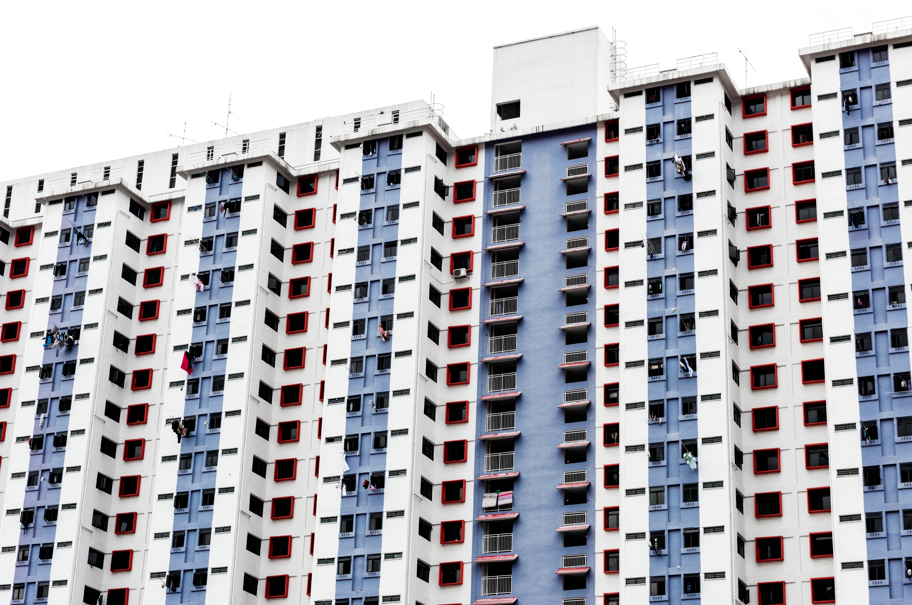
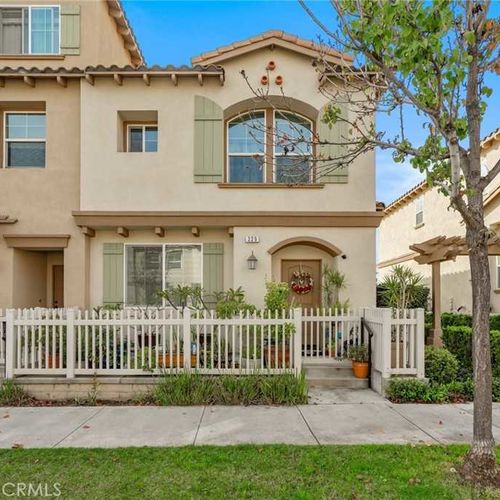
“Inland” Southern California generally refers to the Inland Empire (Riverside and San Bernardino counties) and the more inland neighborhoods of L.A./Orange. These regions are farther from the coast and historically cheaper. In recent years they appreciated faster than many coastal areas, though growth has cooled from the 2020–22 surge.
Inland Empire (Riverside/SB Counties): The Inland Empire has been the fastest-growing large metro in SoCal for the last decade. Even when growth slowed by 2025, year-over-year price gains outpaced coastal areas. By mid-2025 the Inland Empire’s median home value (~$600K) was up ~2.5% from the year before. (Condo-specific median data aren’t always reported, but condos follow a similar pattern in IE.) FHFA’s house price index for Riverside-San Bernardino (1995Q1=100) rose from ~493 in Q3 2024 to ~497 by Q3 2025; about a 0.8% gain. Compare that to Los Angeles (coastal) houses, which only rose ~1.2% YOY in the same CAR report. So even on a percentage basis, IE was slightly stronger.
Several IE neighborhoods have seen notable jumps. For example, Redlands (San Bernardino County) grew ~8.5% YOY from 2024 to 2025, thanks to revitalization projects and spillover demand. Cities like Rancho Cucamonga and Ontario added thousands of homes, boosting supply while still absorbing new buyers. Going forward, analysts note that Inland Empire’s prices remain far below coastal levels (often 60–70% lower than L.A. prices), and with local job growth and new housing development continuing, many buyers expect moderate further gains.
Inland L.A. and Orange County: Even within L.A. and Orange Counties, the inland neighborhoods saw stronger condo demand. Typical examples: Huntington Park, Norwalk, Pomona (L.A. County inland) and cities like Santa Ana and Anaheim (Orange County) have attracted first-timers and investors. These areas have lower median prices than coastal counterparts. Jack Ma Real Estate notes that some inland OC cities (Santa Ana, Anaheim, Garden Grove) saw houses and condos well below the county average. In Los Angeles County’s San Fernando Valley and South L.A., median prices hovered in the $670K–$775K range in early 2026, far below Malibu or Santa Monica.
Comparison in Index Terms: The difference is also evident in price indexes. Case-Shiller’s data (which are coastal-U.S.-focused but illustrative) show inland-market indexes rising while coastal ones dipped. For example, a case study: Los Angeles condo prices fell ~2.8% from Nov 2024 to Nov 2025 (index 430.17 → 418.03). By contrast, the Chicago condo index (a major non-coastal market) rose +5.4% in the same period (December numbers). While not all inland metros match Chicago, this highlights that some inland markets continued upward momentum.
In short, inland condos in Southern California have generally seen better value growth than coastal condos over the past few years. The combination of lower starting prices, strong demand (especially from first-time buyers priced out of the coast), and ongoing population/job growth in IE has driven this trend. According to CAR’s data, the median inland home price (houses) was up 2.5% YOY as of August 2025, whereas statewide median condos were down 2.3% (reflecting weak coastal segments).
Why Inland Has Outpaced Coastal in Recent Years
Several factors explain why inland condos have often appreciated more than coastal condos in SoCal:
- Price Base and Demand. Inland condos start from a much lower base price than coastal ones, so a few percentage points of demand can move them significantly. As coastal prices soared into luxury territory, many buyers (especially first-timers) shifted their search inland. Higher-income downsizers may also prefer coastal homes, leaving inland condos to more middle-class buyers a more stable demand pool.
- Supply and New Construction. Coastal areas are land-constrained, but inland regions have had more new development. During 2020–22, IE and inland OC saw a construction boom (new master-planned communities, large condo projects). More supply can temper price spikes but also meet demand, supporting sales. When the market cooled, these areas still saw transactions at slightly higher prices, whereas coastal markets experienced more inventory pressure.
- Affordability Shifts. As interest rates rose, affordability became a key issue. High-priced coastal condos felt this pinch most. In fact, L.A. realtors note that affordability programs and rising inventory were putting inland city home prices (many condos and modest homes) in focus, with prices rising only around ~7% in 2025, a moderate pace. Buyers turned to inland regions where a condo under $700K (versus over $1M at the beach) is within reach.
- Economic and Demographic Trends. Inland areas like the Inland Empire have seen strong population growth and in-migration (including people moving from costlier areas). Many households there still rent or are first-time buyers looking for space; conditions that favor condos, townhomes, and smaller homes. In contrast, some older coastal condo communities saw more foreign or speculative buyers in past decades, a trend that has leveled off recently.
- Risks and Costs. Coastal condos face unique costs (e.g. insurance for fire and flood risks, high HOA dues in beachfront buildings) that can dampen investor enthusiasm. Meanwhile, inland condos (especially newer ones) often have lower ongoing fees. That makes inland condos relatively more attractive from a cash-flow or maintenance standpoint, supporting their resale values.
Overall, Southern California housing market analysis suggests that inland regions will remain a bright spot for investors and buyers. While coastal condos carry prestige and stable demand, coastal real estate in Southern California is largely maturing; inland markets still have growth potential and relatively healthier affordability.
Best Places to Buy Condos in Southern California
Investors and buyers often wonder: Which SoCal cities or neighborhoods offer the best condo value and growth potential? While every market can be cyclical, here are some regions often cited for delivering equity and value today (with cites where available):
- Inland Los Angeles County: Neighborhoods away from the beach tend to be cheaper. Examples: El Sereno, Highland Park, North Long Beach, Panorama City, Lawndale. These areas have median home prices in the $670K–$915K range, below coastal L.A.’s million-dollar medians. They also often feature a mix of condos and affordable single-family homes, along with improving amenities (new shops, transit). For condo buyers, North Long Beach and Lawndale are especially popular because they offer “beach proximity at a fraction of the cost”.
- Inland Orange County: Outside of pricey coast (Newport, Laguna) and master-planned Irvine, several OC cities have lower-cost condos. Examples: Santa Ana, Anaheim, Garden Grove, Buena Park, Stanton. Santa Ana is often cited as OC’s cheapest city; it has many condos and older homes well under the OC median. Anaheim (around Disneyland) mixes affordability with good schools, making it attractive. Notably, Stanton, the smallest OC city, is made up mostly of condos and townhomes, and it “costs much less than on the coast”. Buyers willing to live inland OC can save hundreds of thousands compared to Huntington Beach or Newport.
- Inland San Diego County: Downtown and beach areas of San Diego are very expensive, but some inland SD neighborhoods are much more accessible. Examples: Lemon Grove, Barrio Logan, City Heights, Logan Heights, Encanto. These areas are within the city or nearby, yet have median prices well below the county’s $960K level. Lemon Grove (east of downtown) offers a “small-town feel” with median homes around $625K and improved transit links. Barrio Logan and Logan Heights (south of downtown) have cultural cachet and ongoing revitalization, attracting condos and townhomes at still-affordable prices. City Heights and Encanto (central/SE SD) also provide larger condos and lots at discounts. Overall, San Diego’s inland/urban neighborhoods combine value with growing demand, especially as transit projects expand.
- Inland Empire (Riverside & San Bernardino Counties): This region remains the most affordable in SoCal, so equity gains can be strong. Examples: Riverside (Orangecrest, University area), Ontario (Ontario Ranch), Eastvale/Gypsum Canyon, Fontana, Redlands. Riverside’s Orangecrest and University neighborhoods have mid-range homes and condos (often $300K–$480K) near good schools. New suburbs like Ontario Ranch (Ontario/SB County border) and master-planned Eastvale are still priced a bit higher ($700K+) but have room to grow. Fontana and other SB areas have steady demand due to logistics job centers. Redlands (SB County) was highlighted for strong 2024–25 growth (~+8.5% YOY) as the area revitalizes. Agents note that Inland Empire pricing is often only 60–70% of LA’s, so even modest appreciation yields solid returns. For condo investors, IE offers many brand-new condo and townhome projects at entry prices far below the coast.
These examples are not exhaustive, but they illustrate the shift: buyers often target inland neighborhoods and secondary urban areas for the best condo value growth. Some coastal locales remain attractive (e.g. Santa Monica, La Jolla) but are very expensive and see slower percentage gains. As Jack Ma Real Estate notes, savvy first-time buyers and investors are looking at high-growth inland pockets rather than chasing the waterfront premium.
Key Takeaways and Next Steps
Looking at the big picture, coastal condos in Southern California tend to have higher prices but have experienced slower appreciation lately, while inland condos often started lower and have seen stronger recent gains. Figures from late 2025 make this clear: statewide median condo prices were down ~2–3% year-over-year, and Los Angeles-area condos declined ~2.8%, whereas many inland areas were up a few percent.
That doesn’t mean coastal condos will never rise, but it shows how relative value can change. For an investor or homebuyer, the choice depends on priorities: Coastal real estate Southern California offers prestige and stability, but slower percentage growth; inland condos offer more bang for your buck and the chance of faster value gains as the region builds out.
Before deciding, consider factors like location, financing, and costs. Coastal condos often involve higher insurance, taxes, and condo fees (especially near the ocean), which can slow net equity build-up. Inland condos may be cheaper upfront, but one should account for potential higher repair costs in older neighborhoods. Also watch macro trends: even inland areas could cool if interest rates rise sharply or if the economy weakens. However, current Southern California real estate trends 2026 suggest only gradual price growth statewide, meaning patient investors can find deals in both segments.
In summary, neither category is guaranteed to always outperform the other. Data suggests that in 2023–2025 inland condos have been appreciating more than coastal condos in SoCal. Coastal markets may resume their long-term growth eventually, but for now many buyers see more value inland. Prospective investors should track both segments: coastal condo values are tied to tourism and high-end demand, whereas inland values hinge on development and local demand. Combining these insights with local research will help buyers pick the right market.
Turning Trends into Action
Whether you favor coastal prestige or inland opportunity, the data shows there are advantages to both. Inland condos have been the stronger performers recently, but coastal properties have long-term appeal. The key is to match your budget and goals to the right location. For many first-time buyers and investors, inland SoCal condos present a path to enter the market with more equity upside. If you aim for steady long-term wealth, coastal condos still fit that strategy, just at a higher entry cost and slower growth. Whatever you choose, stay informed: review local market reports, compare neighborhoods, and consider the total cost of ownership (including HOA fees).
Ready to make a confident move? Jack Ma Real Estate combines local expertise with data-driven insight. Our agents will help you navigate these trends and identify the best places to buy condos in Southern California that match your investment goals. From the Inland Empire to San Diego and beyond, we know where opportunity is building.
Your Next Step: Connect with Jack Ma Real Estate
By turning these insights into action, you can position yourself for success in SoCal’s condo market. Whether you’re a first-time buyer looking for value or an investor chasing growth, Jack Ma Real Estate is here to help. Contact us today to find your ideal Southern California condo, get personalized market analysis, or tour homes in the hottest neighborhoods. Our team will empower your real estate journey and help you unlock the potential of both coastal and inland markets. Don’t wait, the right opportunity is out there, and Jack Ma Real Estate will help you seize it.
FAQs
Q1: Why have inland condo prices grown faster recently than coastal condo prices in SoCal?
Several reasons. Inland properties started from a lower base and attracted many new buyers, while coastal prices were already very high by 2022. Inland areas also saw more new construction and population growth. Coastal condos face high costs (insurance, fees) and fewer first-time buyers, leading to more modest gains. In late 2025, for example, Los Angeles condo prices were down ~2.8% YOY, whereas certain inland markets were up by a few percent.
Q2: Do condos in coastal cities like Santa Monica and Long Beach still appreciate well?
Major coastal cities remain stable but have cooled. Luxury condo markets (like beachfront Los Angeles or San Diego) saw only low single-digit appreciation in 2024–2025. Many buyers have shifted inland where growth is stronger. That said, coastal condos often hold value well over the long run, just with slower year-to-year percentage gains recently. Monitoring market reports (e.g. CAR, local MLS data) can tell you when coastal appreciation picks up again.
Q3: Which areas are considered “inland” SoCal where condos are rising?
Inland Southern California usually means the Inland Empire (Riverside and San Bernardino Counties) plus inland parts of Los Angeles and Orange Counties. Key examples include Inland Empire cities like Riverside (Orangecrest, University area), Fontana, Ontario (Ontario Ranch), Eastvale, and Redlands. In L.A./OC, inland neighborhoods in the San Fernando Valley, the Gateway Cities (e.g. Norwalk, El Monte), and parts of Orange County (Santa Ana, Anaheim) also show higher growth. Many of these inland markets have median condo values well below coastal areas and have been seeing steady demand.
Q4: Are condo association fees a concern for investors?
Yes. HOA fees have risen significantly in recent years (often 10–25% in 2024–25). Higher fees can eat into rental returns or affordability. Coastal condos often have higher fees (due to insurance, flood/fire costs), while many inland condos have lower fees. Any investor or buyer should calculate total costs (mortgage + HOA + taxes) to compare effectively. Factoring in fees is essential when evaluating condo appreciation versus net returns.
Q5: How will 2026 trends affect condo investments in SoCal?
Forecasts for 2026 are generally for moderate growth. CAR predicts ~3.6% median price gains in California, and local experts expect Southern California to follow that pace. Condos might see similar or slightly slower gains. Lower mortgage rates (around 6% in 2026) and rising inventory suggest a balanced market. Investors should look for markets with growth potential (often inland or transitional areas). Tracking the Southern California housing market analysis throughout 2026 will help spot neighborhoods where condo prices start to move up again.
Check out this article next