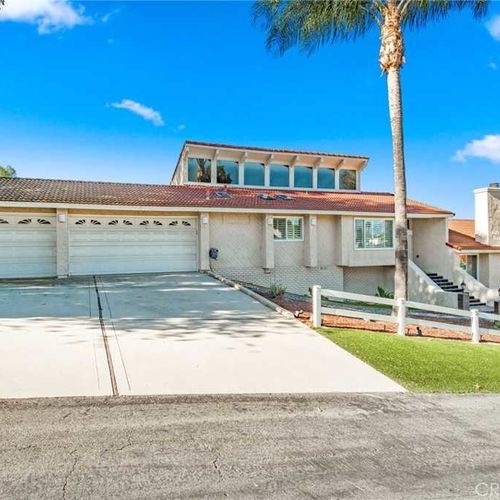


Selling a home in Southern California requires careful pricing. With median home prices around $850,000–$900,000 (and much higher in some areas), your listing must stand out. In today’s market, homes that are priced right attract buyers quickly and sell faster. According to experts, “well-priced homes tend to sell more quickly”. By contrast, mispricing can make your listing “stale” as buyers scroll past. This guide explains how to set a competitive Southern California home price, avoid common pitfalls, and get your house sold faster.
Understanding the Southern California Real Estate Market
Southern California’s real estate market is highly competitive and varies widely by region. Coastal areas and major cities have very high values, while inland areas tend to be more affordable. For example, by late 2024 Los Angeles County’s median home price was about $937,000, whereas Riverside County’s was around $628,000. Statewide, the median for all home types in California in late 2025 was roughly $828,000. Recent trends show that high mortgage rates and economic uncertainty have cooled the market slightly; home prices in SoCal slipped about 0.3% in late 2025.
Key factors shaping pricing include:
- Supply and demand: Inventory in SoCal is still lower than pre-2020 levels, putting upward pressure on price, but interest rates around 6–7% are keeping buyers cautious.
- Local conditions: Neighborhoods differ. Areas like Orange County or Silicon Beach remain expensive, while some inland suburbs see more moderate prices.
- Market trends: Experts forecast modest price increases if inventory stays tight, though first-time buyers remain priced out of many areas.
Because Southern California is so diverse, regional context matters. A home priced correctly in one neighborhood might be too high or too low in another. An experienced local agent can help you factor in area specifics and current trends to set the right price.
Determining Your Home’s Value

The first step in pricing is determining your home’s market value. This usually means doing a Comparative Market Analysis (CMA). A CMA looks at recently sold homes that are similar to yours in size, age, condition, and location, ideally within the past few months. For instance, one approach is to compare sales from the last 3–6 months in your area. Because Southern California’s market can shift quickly, older sales may not reflect today’s conditions.
Other methods to estimate value include:
- Price per square foot: Calculate your price per square foot and compare it to nearby similar homes. If your home’s per‑foot price is much higher than nearby sales, that signals a misalignment.
- Appraisal: A professional appraiser can give an objective opinion of value, though this usually comes into play when getting a mortgage.
- Online tools: Websites like Zillow or Redfin offer automated estimates (Zestimates), but these can be off by several percent, especially in fast-moving markets. Use them only as a rough starting point.
- Local knowledge: Ultimately, a local agent’s insight is invaluable. They know exactly how much buyers are willing to pay in your neighborhood and what features they prize. They can explain how factors like a remodeled kitchen, a pool, or proximity to good schools affect Southern California home value.
By gathering this information, you’ll have a realistic idea of “how much is my home worth in Southern California.” Going into the sale with data means you can price confidently and competitively.
Pricing Strategies for Southern California Sellers
Once you have a sense of value, set your asking price with strategy in mind. The goal is a price that maximizes your sale while attracting buyers. Here are some effective home pricing strategies:
- Compare recent sales: Base your price on actual recent sales in your neighborhood. As noted, focus on homes that closed in the last 90 days or so. Adjust for differences: more upgrades means you can ask a bit more; needed repairs means you might price slightly lower.
- Aim at a competitive price point: In the current buyer’s market, price at or just below the market rate. Listings priced too high often scare off buyers. Industry sources caution that “overpricing is the #1 reason homes sit on the market”. By contrast, a competitive price can attract more interest and even spur multiple offers. In fact, some sellers set a price slightly below market to create buzz. For example, a Southern California agent notes that “homes that were priced fairly or slightly under fair market value performed best”. This can trigger a bidding situation and raise the final sale price.
- Watch price thresholds: Psychological pricing matters. In SoCal, crossing a major price threshold (e.g. going above $999,900) can narrow your buyer pool. Many buyers have fixed budgets or loan limits. Pricing just below a round number might place your home in more search results.
- Be ready to adjust: If weeks go by with few showings, that’s a signal to lower your price. Expert advice is to act quickly when initial pricing fails. If you see very few inquiries or have several price drops already, reconsider your price.
- Include incentives: Sometimes sellers offer buyer incentives (like covering some closing costs or offering a home warranty) to effectively increase buyer interest without changing the list price.
Key Pricing Tips:
- Research comparable sales to ground your price.
- Set a competitive asking price (slightly under market can draw buyers).
- Use professional marketing (quality photos and staging) to show value.
- Be flexible: adjust price if needed and consider incentives to attract offers.
By following a sound strategy, you’ll increase your chances to sell your home faster in Southern California.
Common Pricing Mistakes to Avoid
To keep your home from lingering, steer clear of these pitfalls:
- Overpricing: By far the biggest mistake is listing above the market value. Buyers will scroll past expensive listings and may never come back to see them. As one guide puts it, “overpricing often leads to longer [days on market] and price cuts”. An overpriced home usually sits unsold until the owner “drops the price”, but by then the listing looks stale. Websites and buyers treat long-listed homes as potential trouble spots. In other words, a high price can backfire by making buyers skeptical.
- Ignoring market conditions: Don’t rely on old data. If your home was listed at a certain price a year ago, conditions may have changed. Economic factors and mortgage rates in SoCal have shifted recently, so make sure you use current comparisons.
- Poor listing condition or marketing: A house in poor cosmetic condition often gets a lower price or no interest. Features like peeling paint, an unkempt yard, or outdated decor can “raise red flags” for buyers. Likewise, low-quality listing photos and sparse descriptions hurt your price. Studies show that homes with great photos and curb appeal get more showings and better offers. Investing in staging and professional images can justify your asking price.
- Limited showings: If you only allow potential buyers to see the home at inconvenient times, you’ll miss out. Flexibility in showing availability helps more buyers tour the house, increasing competition. Sellers who refuse night or weekend showings often have to lower their price later due to lack of interest.
- Emotional attachment: Sellers can fall in love with their home’s unique features and think they add extra value. Be objective. Even a beautiful feature won’t raise the price unless buyers also value it. Trust the comps and data rather than your personal sentiment.
By avoiding these errors and focusing on realistic pricing, you greatly reduce the chance your home “sits on the market” without offers. As one expert puts it: “start at a competitive price to generate immediate interest. Overpricing often leads to longer DOM”.
Why Homes Sit on the Market (and How to Fix It)
Even well-maintained homes can linger unsold if something turns buyers off. In Southern California, the number-one culprit is almost always pricing. Homes that sit too long for sale usually share these traits:
- Overpricing: As noted, an inflated price keeps buyers away. Experts say “overpricing can result in a property becoming stale on the market”. When listings linger 60-90 days or more, buyers start assuming there must be a problem. Often, “the only issue is unrealistic pricing at the start”, and by the time the seller finally drops the price, buyer interest has faded.
- Visible maintenance issues: A home that looks neglected can scare off buyers. Signs like peeling paint, cracked sidewalks, or overgrown landscaping suggest hidden problems. Buyers may lowball offers or skip these houses, forcing sellers to drop price. Basic repairs and curb appeal go a long way to support your asking price.
- Poor marketing: Listings with dark or blurry photos, or with minimal description, simply get less attention. In competitive markets, many buyers start their search online, so poor marketing can leave your home unseen. Make sure your listing shows the home in its best light.
- Poor location or comparables: In some areas, homes naturally sell slower (for example, if the neighborhood has fewer amenities or schools). Also if many similar homes are already for sale, buyers have more choices. If your home is truly “out of the ordinary” for the neighborhood, your price must reflect that.
- Limited showings: Buyers often have busy schedules. If your home is only available to show at odd times, many potential buyers will simply move on. Wider showing windows or virtual tours can keep buyers engaged.
The good news is that most of these fixes come down to price and presentation. Competitive pricing remains central: even a few percent under the expected market value can put your listing back in the spotlight. In the current climate, the advice is clear: “price it right from the start”. A properly priced home attracts multiple buyers, whereas an overpriced home will likely sit and force a cut later.
Figure: Proper pricing and presentation help Southern California homes attract buyers quickly.
Selling Your Home Faster

Getting an offer quickly means considering both price and presentation. In addition to pricing strategies:
- Stage and spruce up your home: Small improvements (fresh paint, minor repairs, landscaping) give buyers confidence that the house is well-cared-for. Curb appeal can boost your perceived value.
- Highlight key features: Make sure the listing mentions and showcases features buyers want (updated kitchen, energy-efficient upgrades, outdoor space). Emphasizing these can justify a higher price.
- Choose the right agent: A good local real estate agent (like those at Jack Ma Real Estate) knows the Southern California market. They can set a strategic price, market broadly, and advise on any needed tweaks. Local agents have data on recent sales and know exactly how to position your home.
- Be responsive: When buyers show interest, respond quickly. Sometimes a small concession (like leaving behind an appliance) can seal the deal without changing the price.
By combining these practices with smart pricing, you position your home to sell faster. Homes that are properly priced from day one often receive multiple offers, which can even drive the final price above the initial ask.
Take the Next Step with Jack Ma Real Estate
Unlock your home’s potential with the right team by your side. At Jack Ma Real Estate, our Southern California experts offer personalized guidance to set the perfect price for your home. We provide a free market analysis, share local insight, and create a custom pricing plan so you can sell confidently. If you’re ready to maximize your home’s value and avoid the stress of a slow sale, contact Jack Ma Real Estate today. Let our dedicated agents show you how a smart pricing strategy can lead to a quick, successful sale.
Contact us now to get started on pricing your home correctly and achieving your selling goals!
FAQ’s
1.) How do I determine the right price for my home in Southern California?
A: The best approach is to compare your home with similar recent sales in the area. A real estate agent will perform a Comparative Market Analysis using homes sold in the last few months. They adjust for differences (lot size, condition, upgrades) to suggest a listing price. You can also look at price per square foot and online estimates (like Zillow), but a local agent’s CMA is typically more accurate for our market.
Q: What happens if I price my home too high?
A: Overpricing leads to few showings and can make buyers think something is wrong. Industry experts warn that “overpricing often leads to longer DOM [days on market] and price cuts”. In practice, you may have to lower the price multiple times if there’s no interest. Each time a price reduction is made, your home can appear stale. In short, a high initial price can cost you money and time.
Q: Why isn’t my home selling?
A: The most common reason is pricing above what buyers expect. Other factors include condition (needing repairs), weak marketing, or poor showing availability. If your home sits unsold, compare it to active listings and recent sales. If yours is higher or less appealing, those are clues. Fixing this often means adjusting the price and improving the presentation. As one property manager advises: set a “competitive price to generate immediate interest”.
Q: Should I consider pricing my home a bit lower to get more offers?
A: In the current market, yes, strategic underpricing can work. Pricing slightly under market value can create urgency among buyers. A California agent noted that homes “priced fairly or slightly under fair market value performed best”, often sparking bidding wars that raise the final sale price. Of course, this depends on your goals: if you need a fast sale, it can pay off.
Q: How much is my home worth in Southern California?
A: Home value depends on many factors: location, size, condition, and current market trends. To find out, start with an agent’s CMA of recent comparable sales. You can also use online tools for a rough estimate or get a professional appraisal. For a spot-on figure, contact Jack Ma Real Estate for a free home valuation. Our experts will analyze your neighborhood trends and your home’s features to give you a clear idea of its worth on the Southern California market.
Check out this article next