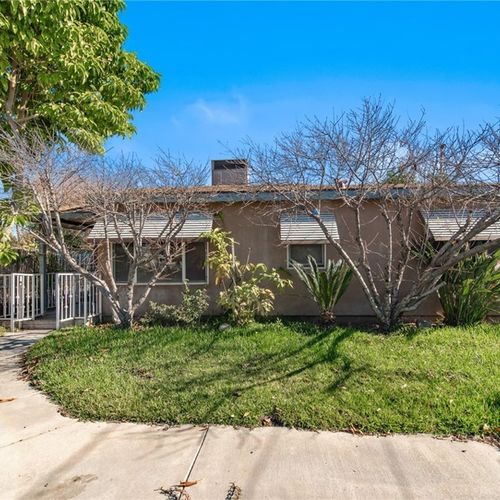


The Southern California real estate market remains notoriously expensive. As of late 2025, Zillow data show the six-county SoCal median home price hovered around the mid-$800,000s (about $852,600 in November 2025). This follows years of steep price gains (the statewide median was roughly $865K in 2024). High mortgage rates (near 6–7% nationwide by late 2025) and California’s scarce housing supply mean affordability is very tight. In fact, only about 17% of California households qualified for the median-priced home in early 2025. First-time buyers in Southern California find themselves especially squeezed, often needing well above a six-figure income just to afford the monthly payment on a typical SoCal home. Under these conditions, many prospective buyers wonder: “Should I buy a home now or wait?”
Why Southern California Home Prices Have Leveled Off

During late 2024 and throughout 2025, Southern California saw a slight downshift in pricing. In year-end 2024 the six-county SoCal average home price had fallen about 0.2% in one month (to ~$867,000), though it was still a few percent above year-ago levels. Through most of 2025, prices have been flat-to-modestly down. For example, Los Angeles Times data show the SoCal median dipped 0.3% in November 2025 to roughly $852,600 (the sixth decline in seven months). Economists attribute this cooling mainly to high mortgage rates and rising inventory. A gradual increase in active listings (more sellers entering the market) plus persistent 6–7% interest means many buyers are on hold. First-time home buyers in particular remain “locked out” of the market, while owners with ultra-low pandemic loans (sub-3% rates) are finally moving.
Interest rates have been a key factor. The average 30-year fixed mortgage rate spiked above 7% in 2022–23 (a 20-year high) and only eased slowly through 2025. (For example, Freddie Mac data in December 2025 show 30-year rates still near 6.1–6.2%.) Mortgage costs at those levels have kept many buyers sidelined. As one expert notes, delays in selling by owners locked into cheap loans and rising rates have contributed to slight price declines. In short, Southern California home prices are high and largely range-bound right now, and mortgage rates remain near historical highs.
Mortgage interest rates have climbed sharply from pandemic lows. Recent data (Freddie Mac) show 30-year fixed rates jumped from ~3% in 2021 to ~7% by 2022–23, then eased into the 6% range by late 2025. Such high rates have dampened buying power. (Source: Freddie Mac/Los Angeles Times)
2026 Market Outlook for Southern California
Forecasts for 2026 generally anticipate only modest price increases in California and especially in high-cost regions like Southern California. The California Association of Realtors (CAR) predicts the statewide median home price will rise about 3.6% in 2026 to roughly $905,000. If Southern California follows that trend (it historically closely tracks or slightly exceeds state gains), local prices might edge upward to the high-$800Ks or $900K range next year. Large realty services agree home price growth will be slow. Zillow projects national home prices will climb only ~1.6% in 2026, and Redfin foresees about a 1% increase nationwide. In other words, 2026 is expected to bring a nearly flat to gently rising housing market, not large declines.
Mortgage rate forecasts are a bright spot for buyers. CAR and Redfin both expect rates to trend lower. CAR’s forecast has the average 30-year fixed rate easing to about 6.0% in 2026 (down from ~6.6% in 2025). Redfin similarly predicts rates will dip into the low-6% range next year. If rates fall as projected (for instance, 6.6% in 2025 to ~6.0% in 2026), buying power will improve slightly, helping offset modest price gains. The combination of a flat-to-slow price rise and easing rates suggests affordability will inch up. As one analysis put it, 2026 could mark the “bottom” of the current cycle, with home prices beginning to appreciate steadily thereafter.
Market forecasts hint that late 2025 or early 2026 might actually be the low point of this cycle. For example, Zillow’s regional forecasts show small price declines in 2025 across SoCal metros (1–3%) but modest increases (around +1%) in 2026. In plain terms: if these forecasts hold, waiting until mid-2026 to buy could mean paying more for the same house than you would today. Even a 1–2% gain on an $900,000 home adds $9,000–$18,000 to the price. One housing analyst warns that in Southern California the “bottom may be now,” and any delay risks higher costs.
Buy Now, Refinance Later: The Case For and Against
For buyers, the idea of “buy now, refinance later” is appealing: lock in a home at current prices with today’s (high) rates, then refinance in a year or two if rates fall. This strategy has some clear advantages and downsides in the SoCal context.
Advantages of Buying Now
- Lock in today’s prices. Home prices in SoCal are near record highs, and many forecasts expect them to rise (albeit slowly) in 2026. Waiting to buy might mean losing potential price gains. As one Realtor.com analyst puts it, “while you’re waiting for rates to fall, you might be missing out on homes that work for you or watching prices rise faster than any rate savings.” In short, acting now can capture current prices and avoid paying more later.
- Refinance flexibility later. Mortgage experts note that if rates drop by about 1 percentage point from your original rate, refinancing can substantially cut your monthly payment. For example, on a $700,000 loan a drop from 7% to 6% lowers the monthly payment by roughly $450 (nearly $5,400 per year) – a savings that accrues once you refinance. If rates dip into the low-6% range next year as projected, many buyers could refinance from today’s 6–7% back into 5–6% territory. Banks generally advise that a 1% drop is the threshold where refinancing is “probably worth it”.
- More inventory today. Current reports indicate active listings are gradually increasing. CAR forecasts about a 10% rise in California listings in 2026 as more owners consider moving. If that holds, then buying in 2026 might come with slightly less competition – but if today’s buyers pause and the market picks up, that inventory boost might come with higher prices too. In the short term, more inventory can favor buyers.
- Stay ahead of climbing costs. Monthly rent and home prices in SoCal have been historically high, and even small rate changes have less effect on payments than similar percentage moves in price. For many buyers, especially those who need a home now, it can make sense to purchase at current conditions rather than face potentially higher rent or stricter bidding wars later.
Disadvantages and Risks of Buying Now
- High interest cost up front. The clearest downside is paying today’s high mortgage rate. A higher rate increases the monthly payment for the same loan amount. For some buyers, that extra cost may strain budgets (especially if rates don’t fall as much or as quickly as hoped).
- Refinance costs. Refinancing isn’t free. It typically incurs closing costs around 2–6% of the loan (e.g. $6,000–$18,000 on a $300K mortgage). This means you must stay in the home long enough to recoup those fees via lower payments. If you move or refinance too soon after buying, the cost may not justify the savings.
- Market uncertainty. While most forecasts see prices rising modestly, some economists warn of potential downturns. For instance, if a recession or other shocks hit, SoCal prices could fall further. (LA Times analysts note that renewed economic turmoil might push values down more sharply.) Buyers must accept this risk if they purchase now.
- Payment shock if rates rise. If you buy with an adjustable-rate mortgage or plan to refinance into a shorter term, there’s a risk rates could stay high longer than expected, meaning you carry a higher cost for some years. Even if you refinance later, you will pay higher interest on the loan’s principal during the first years. Buyers need confidence in their long-term plans.
If You Wait: Possible Upsides and Downsides
- Opportunity for rate drops. If interest rates fall more than expected, waiting could indeed save money. For example, if 30-year rates drop significantly below 6% (say into the high-5s), then a later buyer could finance at a much lower cost than today’s ~6.5%. Each percentage point lower can save thousands per year on a large mortgage.
- Potential for price stability or decline. Some very cautious forecasts suggest a slight pullback or flat prices in 2026. If SoCal prices did fall by a few percent, waiting might shave tens of thousands off the purchase price. However, current consensus is not banking on steep declines.
- Missing current inventory. On the flip side, if you sit on the sidelines for 6–12 months, you might find fewer homes in your price range and more buyers competing when rates fall. Housing demand often surges when affordability improves, so waiting could mean facing a more competitive spring market.
- Carry costs vs. opportunity cost. If you have cash or savings, consider that while waiting you are not building home equity. On the other hand, if you lock it in a home and then want to refinance, you’ve tied up that capital plus paid fees. Weigh your alternatives (e.g. invest elsewhere, rent, etc.) carefully.
In summary, “should I buy now or wait” has no one-size answer. Many experts (and anecdotal advice) caution against trying to perfectly time mortgage rates. As one Realtor.com guide advises: “Small rate fluctuations often have less impact on your payment than you might expect. And while you’re waiting for rates to fall, you might be missing out on homes… Instead of watching headlines, focus on what payment range works for you. Remember, you can always refinance if rates drop significantly later, but you can’t go back in time to buy a home at yesterday’s price.”.
Refinancing a Home in California
If you do buy now with the intention to refinance later, it’s important to understand how refinancing works in California. In practice, refinancing your California home follows the same steps as in other states. You’ll apply to a lender with your income and credit information, and undergo a new appraisal and closing process. Key points for California homeowners:
- When to refinance: Lenders often say to refinance when you can lower your rate by about 1 full percentage point. For example, moving from a 7% loan to a 6% loan typically yields significant long-term savings. Each 1% rate reduction on a large loan saves roughly 5–7% of the remaining principal over the life of a 30-year mortgage. (On a $500K loan, that might be $300–$400 less per month.)
- Closing costs: Expect 2%–6% of the loan amount in fees (appraisal, title, origination, etc.). That often totals several thousand dollars. You can roll these costs into the new loan (or choose a no-closing-cost refinance at a slightly higher rate), but either way you must weigh them against the interest savings. As Fortune’s mortgage guide notes, refinancing makes sense only if you’ll save enough in interest to outweigh these upfront costs.
- Credit and equity requirements: Just as with a purchase loan, lenders will look at your credit score, income, and debt levels. In California, conforming loan limits or jumbo rules apply just as everywhere. If your home has appreciated, you’ll have more equity, which helps qualify for refinancing. On the other hand, first-time buyers (who start with minimal equity) may not be able to do a cash-out refi until they have 20%+.
- Timeline: Lenders typically require you to have lived in the home a certain time (often 6–12 months) before a refinance. Also, market conditions matter: if rates aren’t significantly lower than your original loan, refinancing may not be worth the hassle.
In short, refinancing a home in California is a viable tool but not automatic. It is not a free lunch: you’ll pay closing costs and need lender approval. However, if interest rates do fall as expected (to the low 6% range in 2026), many homeowners who took out loans in 2024–25 would likely benefit by refinancing. A good rule of thumb is to calculate your break-even point: typically, if you plan to stay in the home for several more years, refinancing once rates drop 1 point or more can save money long-term.
Tips for First-Time Home Buyers in Southern California

First-time home buyers face additional challenges and may ask specifically, “Is now a good time to buy a house in California?” or “Should I buy now and refinance later, as a new buyer?” Here are some key considerations for Southern California’s novices:
- Assess your readiness. Before worrying about timing, make sure you have stable income, a strong credit score, and enough savings for a down payment (typically 20% to avoid private mortgage insurance). California has first-time buyer programs (for example, CalHFA loans, special county grants, etc.), but these only help so much. Ensure you can comfortably afford the current mortgage payment even at today’s higher rates. As a leading mortgage expert advises, focus on factors you can control (down payment size, credit profile, affordable monthly payment) rather than chasing perfect rates.
- Use assistance programs. Many counties and nonprofits in SoCal offer down payment assistance or lower-rate loan products for first-time buyers. Research local programs (for example, check the California Association of REALTORS® or HUD websites) – even a small grant or below-market rate can make today’s purchase easier on the budget.
- Stay informed on market trends. Keep an eye on the Southern California housing market forecast. If rates and prices move a lot, be ready to act. Given the current outlook, buying in early 2026 could still yield similar or better conditions than waiting another year.
- Don’t overextend. Given SoCal’s high prices, first-time buyers should pick a budget lower than the absolute maximum they qualify for. This leaves breathing room if interest rates tick up or if initial homeownership costs (taxes, insurance, maintenance) exceed expectations.
- Buy with flexibility. If possible, choose a loan product that you can refinance or pay off faster. For instance, a 30-year fixed loan gives flexibility to refinance later, whereas a 15-year loan has higher payments but lower overall interest. Even paying a few extra dollars now (for points) could lock in a lower rate. Discuss options with a lender who understands California’s market.
Ultimately, first-timers should recognize that no market timing strategy is risk-free. According to Realtor.com, “The reality is that small rate changes don’t always make a big difference in monthly payments… Instead of watching headlines, buyers are better served by understanding what payment range works for them and exploring options that support long-term affordability.”.
Making the Right Move in a High-Stakes Southern California Market
Southern California’s housing market in early 2026 is characterized by still-high prices and gradually easing rates. The decision to buy now and refinance later depends on personal finances and market expectations. Current data suggest that SoCal home prices may be near a short-term bottom, with forecasts for slow appreciation into 2026. Mortgage rates are expected to fall modestly, improving affordability. In this environment, buying now can let you secure a home at today’s price, and you could refinance if rates drop as forecasted.
Conversely, waiting for rates could mean paying a higher price later. For example, experts note that delaying in a market with tight inventory and rising prices often backfires. If rates do fall slightly in 2026, buyers who moved in early might benefit the most from refinancing savings. The key is to align timing with your own readiness and risk tolerance.
For many Californians asking “Is now a good time to buy a house in California?”, the advice is to weigh both sides. As a Realtor.com housing report points out, you can usually refinance later but you cannot rewind home prices. If you can afford a home now and lock in a mortgage you’re comfortable with, buying sooner rather than later may ultimately save more money – especially in Southern California’s competitive market. In any case, consult a local Realtor or mortgage advisor to craft a plan suited to your situation.
Ready to Make a Confident Move in the Southern California Market?
Buying a home in Southern California is not about guessing the market. It is about understanding timing, numbers and options, and having a plan that fits your life today and tomorrow.
Whether you are weighing a buy now refinance later strategy, deciding if you should wait, or exploring your options as a first-time buyer, having local guidance matters.
Jack Ma Real Estate works closely with buyers across Southern California to evaluate real numbers, realistic scenarios, and smart next steps without pressure or shortcuts. From pricing insight to lender coordination, the focus is clarity, not guesswork.
If you are thinking seriously about buying a home or want an honest view of whether now is the right time, a conversation can help you move forward with confidence.
Connect with Jack Ma Real Estate today to discuss your goals, your timeline, and what makes the most sense for you in the current Southern California real estate market.
FAQs
1. Should I buy a home now or wait for mortgage rates to drop?
This depends on your financial readiness, lifestyle needs, and local market conditions. While mortgage rates in Southern California may ease in 2026, Southern California home prices are expected to rise slowly. Waiting for lower rates could mean paying more for the home itself. Many buyers choose to buy now and refinance later if rates improve.
2. Is the buy now refinance later strategy realistic in California?
Yes, many homeowners in California use this approach. The key is buying a home you can afford at today’s payment and refinancing only if rates drop enough to justify the closing costs. Refinancing a home in California typically makes sense when rates fall by about one percentage point or more.
3. What does the Southern California housing market forecast look like for 2026?
Most forecasts point to stable conditions with modest price growth and slightly lower mortgage rates. The Southern California housing market forecast does not suggest major price drops, which is why timing the market perfectly is difficult.
4. Is buying a home in Southern California 2026 better for first-time buyers?
For a first time home buyer in Southern California, 2026 may offer more balance than previous years. Inventory is expected to improve, and rate pressure may ease. That said, affordability remains tight, so preparation and realistic budgeting are essential.
5. Is now a good time to buy a house in California if I plan to stay long term?
For buyers planning to stay in their home for several years, buying now can still make sense. Long-term ownership helps offset short-term rate fluctuations, and refinancing later can reduce costs if rates decline. The decision should always be based on long-term plans rather than short-term market moves.
Check out this article next