

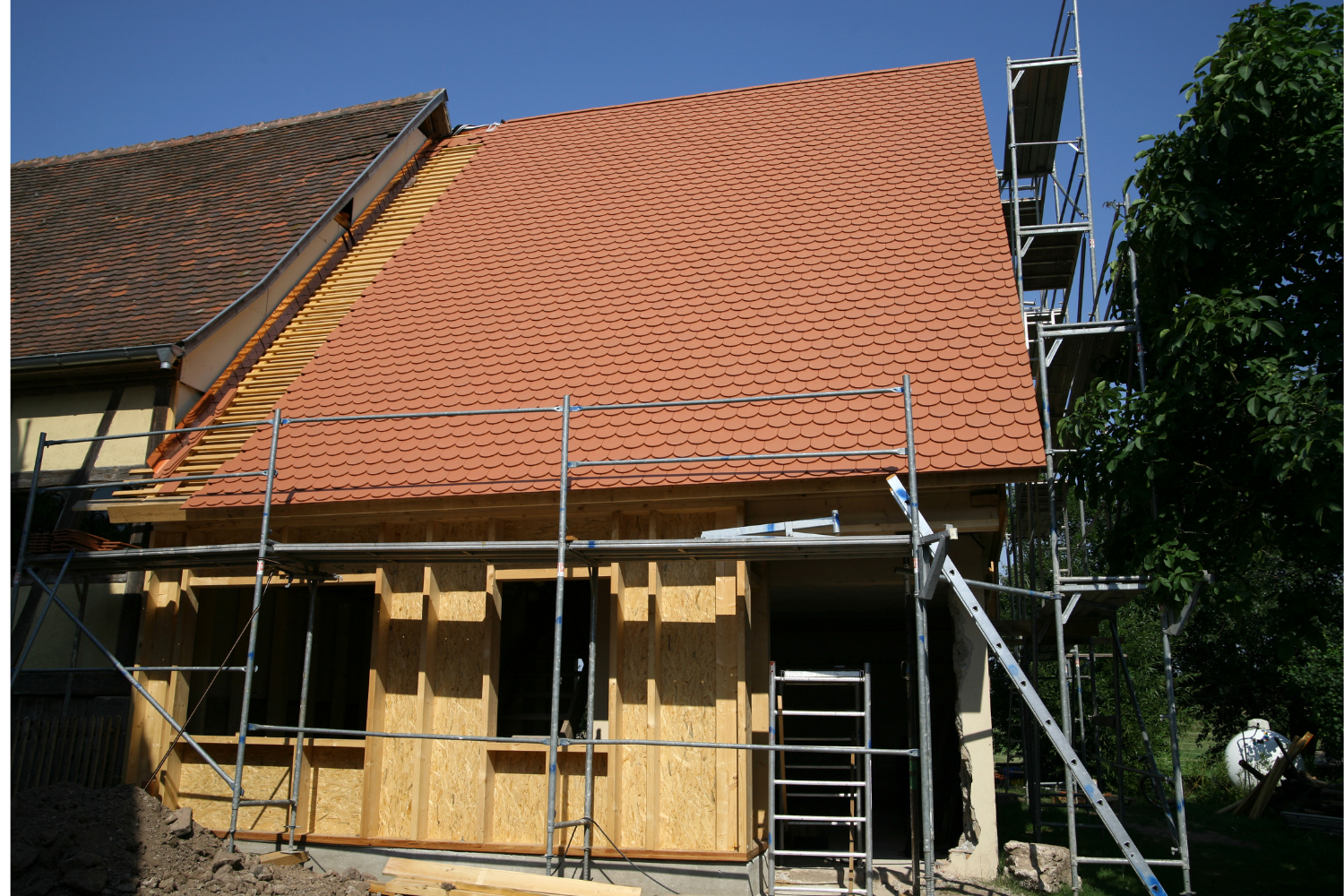
Buying a home in San Diego can already feel competitive and stressful. When you finally find a property that checks the boxes for location, layout, and price, discovering that it has unpermitted additions can quickly raise concerns. Buyers often wonder if they should move forward, renegotiate, or completely walk away from the deal.
A house with unpermitted additions is more common in San Diego than many people realize, especially in older neighborhoods where garages were converted, sunrooms were enclosed, or extra bedrooms were added years ago without proper city approval. While some additions may seem harmless, others can create financial, legal, and safety issues that buyers should understand before making a decision.
The good news is that not every unpermitted addition is a dealbreaker. The key is knowing the risks, the local San Diego regulations, and what steps to take before closing on the property.
What Is a House With Unpermitted Additions?
A house with unpermitted additions is a property where construction or remodeling work was completed without obtaining permits from the local building department. In San Diego, permits are typically required for structural changes, electrical work, plumbing modifications, room additions, garage conversions, ADUs, and many other renovations.
Examples of unpermitted additions include:
- Garage conversions turned into bedrooms or rental units
- Added bathrooms without inspections
- Enclosed patios or sunrooms
- Expanded kitchens
- Bonus rooms built without city approval
- Unpermitted ADUs in San Diego
- Converted basements or detached structures
Sometimes homeowners skipped permits to save money or speed up construction. In other situations, the work may have been done decades ago by previous owners, making documentation difficult to trace.
Why Unpermitted Additions Matter in San Diego
San Diego has strict building and zoning requirements due to earthquake safety standards, coastal regulations, fire prevention rules, and housing density restrictions. A home with illegal additions can create complications that affect financing, insurance, property value, and future resale potential.
Safety Concerns
One of the biggest risks with unpermitted construction is that the work may not meet California building codes. Improper electrical wiring, weak structural framing, plumbing issues, or unsafe foundations can become expensive problems later.
In San Diego, where earthquake safety matters, structural work completed without inspections should never be ignored.
Financing Problems
Mortgage lenders may hesitate to approve financing for a house with unpermitted additions, especially if the square footage listed does not match official county records.
Some lenders may:
- Refuse financing entirely
- Require repairs before approval
- Exclude unpermitted square footage from the appraised value
- Ask for retroactive permits
This is especially important for FHA and VA buyers, since these loans often have stricter property condition requirements.
Insurance Risks
Home insurance companies may deny claims related to unpermitted work. For example, if a fire starts in an illegally converted room due to faulty wiring, coverage could become complicated.
Some insurance carriers in California may even refuse coverage after discovering major unpermitted structures.
Resale Challenges
When it comes time to sell, future buyers may have the same concerns you do now. Homes with illegal additions in San Diego can sit longer on the market or attract lower offers.
Buyers today are increasingly cautious about permit history, especially with rising home prices and stricter inspections.
Common Unpermitted Additions Found in San Diego Homes
Certain types of unpermitted work appear frequently throughout San Diego County.
Garage Conversions
Garage conversions are extremely common, especially in areas where homeowners wanted extra rental income or living space. Many were completed before current ADU regulations existed.
A garage conversion without permits can create parking compliance issues and zoning violations.
Unpermitted ADUs
Accessory Dwelling Units (ADUs) have become popular throughout California, but not all were legally approved. Buyers should verify that any detached unit or guest house has proper permits and utility connections.
Patio and Sunroom Enclosures
Enclosed patios often seem minor, but if walls, roofing, or electrical systems were added without approval, the space may technically violate code.
Extra Bedrooms or Bathrooms
Some sellers advertise additional bedrooms or bathrooms that are not legally recognized by the city. This can impact appraised value and future resale listings.
Should You Walk Away From a House With Unpermitted Additions?
The answer depends on the severity of the issue, the quality of the work, and whether the situation can realistically be resolved.
In some cases, buyers absolutely should walk away. In others, the property may still be a good opportunity with the right negotiations.
You May Want to Walk Away If:
- The addition appears unsafe or poorly built
- Structural work lacks engineering approval
- The seller refuses to provide documentation
- The city has active violations against the property
- Major demolition may be required
- Financing or insurance becomes impossible
- The cost of legalizing the work is too high
If the home inspection uncovers major electrical, plumbing, or foundation concerns tied to unpermitted work, walking away may save you from expensive repairs later.
The Home May Still Be Worth Buying If:
- The work was professionally completed
- Retroactive permits are possible
- The seller agrees to lower the price
- The addition adds meaningful usable space
- The city has no active enforcement issues
- You plan to remodel anyway
Many San Diego buyers successfully purchase homes with unpermitted additions after negotiating repairs, credits, or permit solutions.
How to Check for Unpermitted Additions in San Diego
Before buying, buyers should complete several important steps.
Compare Public Records
Review the square footage and layout listed in county records compared to the actual property. Large discrepancies can signal unpermitted work.
Request Permit History
Buyers can request permit records from the San Diego Development Services Department to see whether additions were approved and finalized.
Hire a Qualified Home Inspector
An experienced inspector may identify signs of non-permitted construction, including:
- Improper wiring
- Non-code plumbing
- Structural modifications
- Missing egress windows
- Roofing inconsistencies
Talk to a Real Estate Agent Familiar With San Diego
An experienced local agent can often recognize common red flags and help determine whether the issue is manageable or too risky.
Can Unpermitted Additions Be Legalized?
In some cases, yes.
San Diego homeowners may be able to obtain retroactive permits, sometimes called “after-the-fact permits.” However, the process can become expensive depending on the work involved.
The city may require:
- Opening walls for inspection
- Structural engineering reports
- Electrical or plumbing upgrades
- Full code compliance corrections
- Additional permit fees
If the work cannot meet current building standards, the city could require partial demolition or complete removal.
How Buyers Can Protect Themselves
If you are considering a house with unpermitted additions in San Diego, taking the right precautions is essential.
Include Inspection Contingencies
Never waive inspection contingencies unless you fully understand the risks.
Ask for Seller Credits
Buyers often negotiate credits to cover future permit costs, repairs, or legalization expenses.
Consult a Real Estate Attorney if Needed
For major permit disputes or complicated disclosures, legal guidance may be worthwhile.
Verify Insurance Availability
Always confirm that you can obtain homeowners insurance before closing.
Making an Informed Decision About Unpermitted Additions
A house with unpermitted additions does not automatically mean you should walk away, but it does mean you should proceed carefully. Some unpermitted work is relatively minor and manageable, while other situations can create serious financial and legal headaches.
In San Diego’s competitive housing market, buyers sometimes accept these risks in exchange for better pricing or additional living space. The key is understanding exactly what you are buying before signing the closing documents.
With proper inspections, permit research, and negotiation strategies, buyers can make informed decisions and avoid unexpected surprises later.
Check out this article next