
Southern California homebuyers are increasingly asking about smart homes in Southern California and energy-efficient homes in California. Many wonder if features like solar panels, electric vehicle (EV) chargers, or home automation will soon be required by law. The short answer is, for new construction, the answer is largely yes; state codes now mandate many green technologies, but for existing homes, the rules apply only when major upgrades are made. California’s 2025 building standards force most new homes to include on-site solar power and energy-saving home upgrades like advanced insulation and smart controls. At the same time, consumer demand is pushing modern home technology features (smart thermostats, automated lighting, etc.) into the mainstream. We explore how California’s aggressive energy codes, local “green homes” trends, and market forces are making smart and efficient features ubiquitous, essentially mandatory, in SoCal’s real estate market.
California’s 2025 Energy Code: Mandatory Efficiency Upgrades
California’s building codes, known as Title 24, now require most new homes to include energy-saving and “smart” systems. By the 2025 standards (effective Jan 1, 2026), a typical new house will use about half as much energy as under old national codes. The California Energy Commission estimates a 53% drop in energy use: cutting monthly bills nearly in half. This dramatic improvement comes from a raft of mandated features:
- On-site solar power. Virtually all new single-family homes (and most low-rise apartments and condos) must have roof-mounted photovoltaic panels. California became the first state to mandate solar on new homes, with rules expanding in 2023 and 2025. This “solar mandate” means nearly every new SoCal house now comes pre-wired for clean energy.
- Full “electric-ready” infrastructure. The 2025 code requires new homes to be built all-electric. That means pre-wiring for electric heat pumps, cooking, hot water, and EV chargers. For example, every new single-family home must have dedicated circuits and outlets for an EV charger and extra panel capacity for future electric appliances. In practice, this makes gasoline or natural gas heating optional, not required.
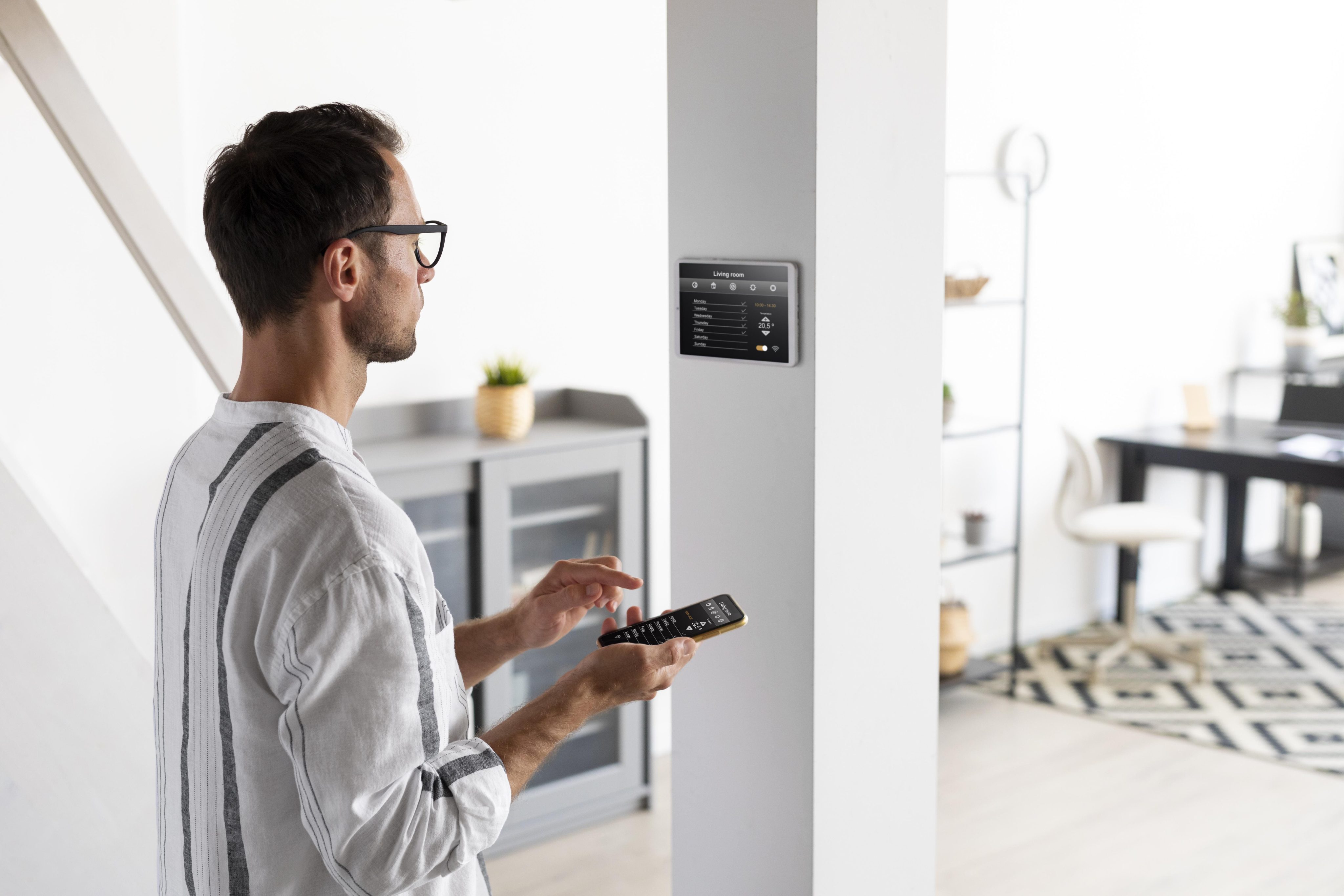
- Smart panels and controls. New rules mandate an intelligent electrical panel or similar system to manage loads (especially important with EV charging). Wi-Fi–connected, demand-response smart thermostats are also required. These devices can automatically adjust indoor climate based on utility price signals, shifting heavy usage to cheaper, off-peak hours. In short, the code forces the home to be smart grid-ready.
- Tighter insulation and efficient windows. The walls, ceilings, and windows in new homes must be significantly more insulated than before. Over 70 improvements to wall, ceiling, and duct insulation are now mandatory. Combined with high-performance windows, this reduces heating and cooling loads. Title 24 changes typically add only about 1-2% to construction costs but slash utility bills dramatically.
- Required heat pumps. California strongly encourages installing electric heat pumps (for water, space heating, and cooling) instead of gas furnaces or heaters. While not strictly outlawing gas appliances yet, the codes push in that direction. Some big cities (like San Diego and San Jose) already require all-electric new construction.
Together, these rules make energy-efficient homes in California almost compulsory for new builds. In effect, any new or fully remodeled home in SoCal is built like a net-zero-ready property, even if it’s not marketed as a “smart home.” During big renovations (like re-roofing or adding a thousand square feet), the same mandates kick in, e.g., new solar panels on a major addition. The goal is clear: California aims to be carbon-neutral by 2045, and the 2025 codes lay down a roadmap toward net-zero energy homes.
Smart Home Technologies in SoCal: Not Yet Mandated, But Strongly Encouraged
Strictly speaking, the code does not require every new house to have voice assistants or smart fridges; it targets the big-ticket systems above. However, it effectively makes homes “smart by default.” For example, a Wi-Fi thermostat, an electric car charger outlet, and a solar inverter are all required components. Many builders also bundle in additional modern home technology features to qualify for code incentives or higher “performance path” ratings. The net result: smart home solutions (integrated controls, home automation systems, security, etc.) are now the norm in upscale projects, even if not all are legally required.
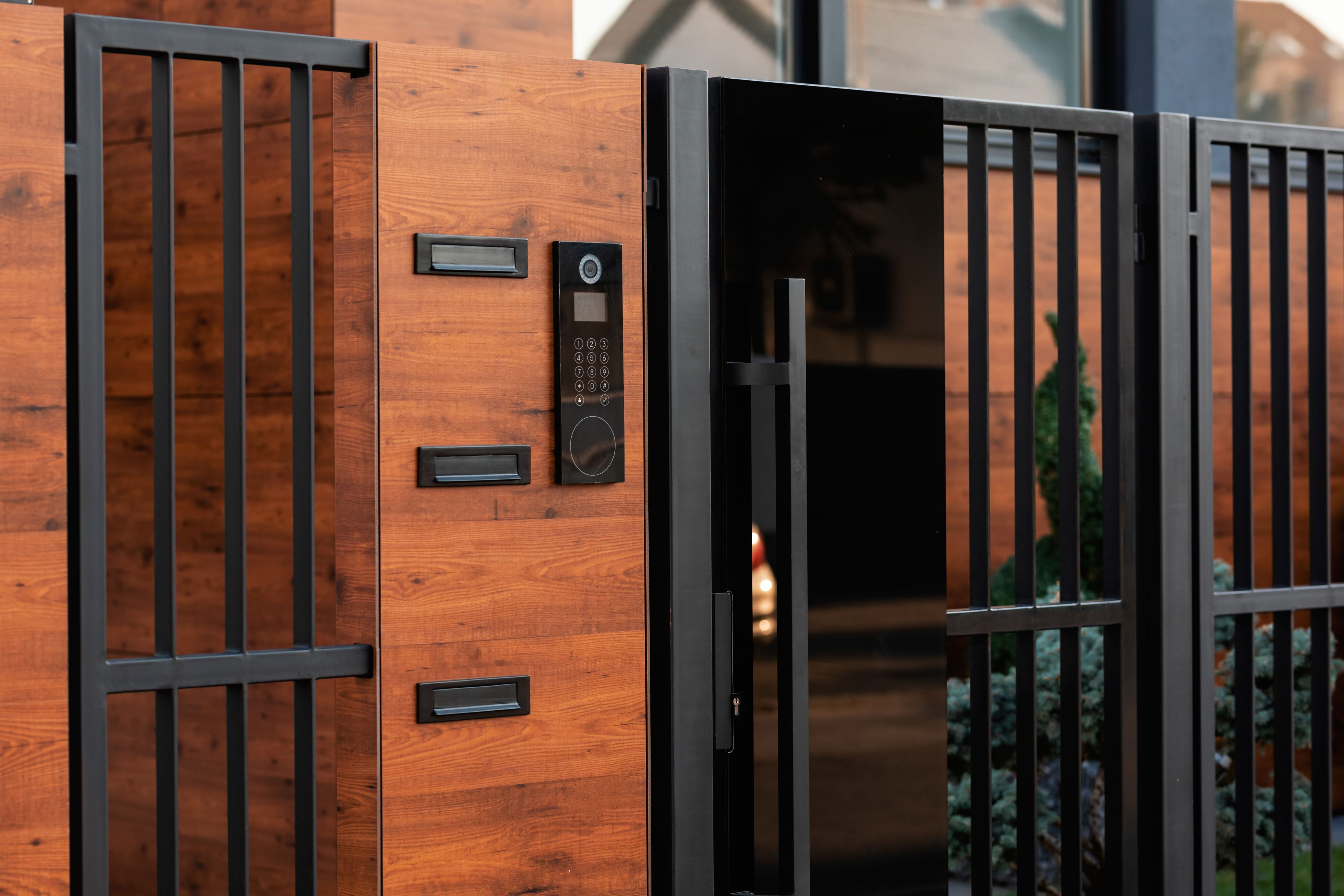
The National Association of Realtors highlights that smart devices are becoming mainstream: at CES 2026, industry vendors showed advanced smart locks, automated lighting, and energy systems designed for reliability and user-friendliness. Smart locks, for instance, are described not just as a nice gadget but as “an operational tool for agents, builders, and property managers,” making home access easier to manage. At the same time, buyers value smart homes security: integrated video doorbells, surveillance cameras, and biometric locks give peace of mind. As one SoCal real estate blogger notes, homes with cutting-edge security often command higher offers and even lower insurance premiums.
Fully integrated smart home systems are trending in new developments. Buyers no longer want a patchwork of unrelated gadgets. Platforms now allow lighting, climate, and security to work together under one app. Consumers especially embrace features that “just work” without complexity. The result is that developers and agents treat smart home packages as selling points; even a basic smart panel and thermostat qualify a house for energy-tradeoff credits under Title 24 (for example, allowing slightly smaller solar installations).
Southern California Green Home Trends and Market Demand
SoCal’s climate and culture naturally fuel the smart/green home trend. Homeowners here care about energy bills and sustainability. State incentives and programs reward energy-saving home upgrades (rebates for EV chargers, heat pumps, insulation, etc.), making eco-friendly homes in SoCal more affordable to build. For example, state rebates under the Energy Smart Homes Program help offset costs of solar-plus-battery and other upgrades.
Builders and buyers in cities like Los Angeles, San Diego, and Irvine are particularly savvy. Luxury communities now routinely advertise smart home features for 2026: complete home automation, EV-ready garages, and LEED or ENERGY STAR certifications. A Southern California builder explains that “green building isn’t just about compliance; it’s about creating long-term value,” with smart systems and on-site renewables as standard. Local planners note that new spec homes often include drought-tolerant landscaping, greywater plumbing, and other “CALGreen” measures alongside solar and automation.
The market signals are strong. A national survey found nearly 60% of homeowners now have at least one smart device (up from 49% in 2024). In California the number is likely higher. Energy management is a top priority: many consumers want real-time monitoring and automated savings. One Southern California real estate report estimates smart home features can boost a home’s sale price by 3–5%, and even more in premium markets. That translates to tens of thousands of dollars. Buyers also specifically seek energy-efficient homes in California to lower lifetime costs; homes with solar panels and high-efficiency HVAC fly off the market.
Smart Home Investment Value and Energy Savings
It’s not just altruism; adding smart/green features delivers real ROI. Studies and industry data show efficient, tech-equipped homes sell faster and at higher prices. For example, EnergySage and Zillow have reported that listings with solar or smart tech see more buyer interest and can sell for more. One SoCal agent notes that Nest/Ecobee thermostats and integrated smart lighting systems can cut utility bills by 30–40%, a savings that buyers factor into offers. Over time, lower energy bills and possible tax incentives pay back the upfront costs.
Common energy-saving home upgrades include smart thermostats, LED lighting, advanced insulation, heat pumps, and solar-plus-battery systems. Each saves on monthly bills. Incentives amplify the impact: California’s state credits and federal solar tax credits can cover much of solar and battery costs. Even basic measures help: upgrading attic insulation or sealing ducts reduces heating/cooling load, adding net value.
From an investment standpoint, smart features also improve marketability. As one expert summarizes, “Buyers are more likely to embrace smart features when they are easy to understand and do not come with ongoing fees." Homes with energy automation and intuitive systems stand out to tech-savvy buyers. Meanwhile, buildings on track for net-zero operation are expected to have higher resale value as carbon regulations tighten. The U.S. Green Building Council notes that green-certified buildings use roughly 25–30% less energy and water, making them more durable investments. All this means that choosing a sustainable real estate property in California often provides better long-term investment stability and higher appraisals.
Smart Home Security and Automation Systems
Smart home security is a key selling point in Southern California. Theft and break-ins are a concern in some areas, so integrated alarm systems, cameras, and locks are highly valued. Studies show a home without a security system is up to three times more likely to be burglarized. Modern smart security features (HD video surveillance, motion sensors, and doorbell cameras) are now common in new builds and upgrades, giving owners peace of mind and control via smartphone. That protection translates to value: homes outfitted with advanced security are seen as safer and often fetch higher prices.
Beyond security, full home automation systems are on the rise. Builders are installing wired or wireless networks that connect lighting, climate, and entertainment. Buyers often expect at least a central hub or smart panel that ties things together. Voice assistants and AI-driven systems (for lighting schedules, shades, or energy use) are increasingly common. These conveniences are especially appealing in luxury or tech-focused markets. For example, high-end condos in Silicon Beach now advertise built-in AI assistants and smart kitchen appliances as part of the standard package.
In short, while you can still sell a home without any electronics, those with integrated smart-home solutions tend to generate more interest. Agents note that an easy-to-use ecosystem (rather than dozens of scattered gadgets) is most attractive. Over time, features like whole-house voice control and robotic cleaning and landscaping (as showcased at tech expos) will likely become the norm rather than the exception in California homes.
The Future of Housing in California
California is racing toward a clean, connected housing future. State and local policies have effectively made solar and efficiency mandatory for new homes. At the same time, market forces mean that smart home features in 2026 are expected by buyers. A 2026 smart-home showcase noted that these technologies aren’t “flashy” novelties anymore but essential parts of how a home is marketed and managed. The homes that will stand out in California will be those equipped with seamless, useful tech, everything from integrated energy backup systems to AI-driven comfort controls.
Southern California’s mild climate, high tech density, and progressive culture ensure demand will remain strong. Whether it’s eco-friendly homes in SoCal in a coastal development or smart condos downtown, the trend is clear: builders and buyers are pushing smart, green living. Soon, having at least some of these features, EV readiness, solar panels, and smart controls, will be as routine as having air conditioning.
Elevate Your Lifestyle with Jack Ma Real Estate
Is it time to step into the future of homeownership? Jack Ma Real Estate specializes in cutting-edge Southern California homes equipped with the latest smart and energy-efficient features. Whether you’re buying or selling, our team can guide you through the new code requirements and show you how modern home technology can maximize value. We know the SoCal market and can help you find or showcase properties that meet 2026 standards – homes with solar power, electric-ready wiring, integrated smart systems, and more.
Ready to move forward? Contact Jack Ma Real Estate today to discover how we can connect you with the next generation of Southern California homes. Your smart, sustainable future starts now!
FAQs
1. Are smart home features required by California law in 2026?
For new homes and major renovations in California, many energy-saving features are indeed required. State building codes (Title 24) mandate solar panels on most new single-family homes, EV-ready wiring, and Wi-Fi smart thermostats. However, general gadgets like smart speakers or lighting are not specifically required by law – they are market-driven.
2. How do smart and energy-efficient upgrades affect home value?
Studies and market reports find that homes with smart features can sell faster and at higher prices. Smart home technology can boost a property’s value by several percent. Energy efficiency upgrades (solar, insulation, efficient HVAC) lower utility bills, making the home more attractive and often increasing resale value. Buyers in California pay premiums for homes with high energy ratings or LEED certifications.
3. Do I need a certain income or credit to install solar or smart systems?
No special credit is required beyond financing a home improvement. California offers rebates and financing options to lower-income homeowners for solar and battery installations, such as the DAC-SASH program. Federal tax credits (30% through 2032, subject to change) can significantly reduce costs of solar or battery systems. Many companies also offer low-interest loans or payment plans for green upgrades.
4. What maintenance is involved with energy-efficient and smart homes?
Generally, modern systems have reasonable upkeep. Solar panels need occasional cleaning and inverter checks, while batteries may need replacement after a decade. Smart locks and thermostats require battery changes every year or two. Routine HVAC maintenance is still needed. However, smart systems often alert you when service is needed. California’s mild climate also helps solar panels and batteries last longer. Overall, the maintenance costs are usually offset by energy savings and added convenience.
5. How can Jack Ma Real Estate help me with smart/green homes?
Jack Ma Real Estate is experienced in the Southern California market and up-to-date on all new green building requirements. We can help you find homes that already meet or exceed the 2026 standards (solar roofs, efficient appliances, smart controls). If you’re a seller, we can advise how to highlight your home’s smart/energy features and even suggest upgrades that boost value. Contact us for a consultation tailored to your green home goals; we’ll help you navigate incentives, code compliance, and the latest tech trends in SoCal real estate.
Check out this article next