

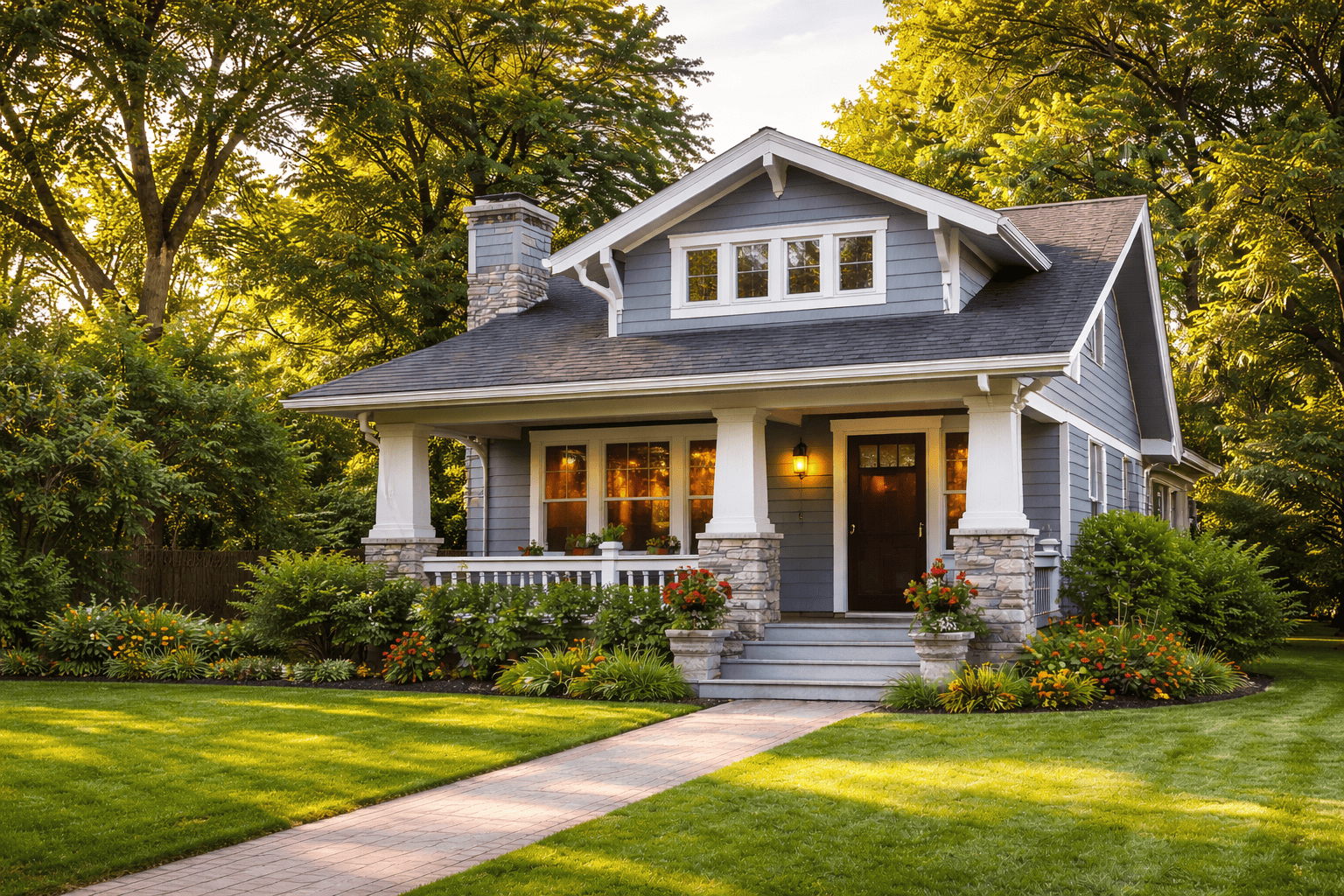
Anaheim’s housing market is highly competitive, with median home prices near $900K. Buyers often weigh the charm of Anaheim older homes, especially in historic neighborhoods, against the convenience of a turnkey property. Older houses here, such as those in the Anaheim Colony Historic District, offer character and location but typically need work. Move-in ready homes cost more upfront but save time and hassle. In this article, we explore the pros and cons of each choice, offering concrete renovation tips, cost data, and market insights to help you decide whether an Anaheim fixer-upper is worth the investment.
Anaheim’s Housing Market at a Glance

Anaheim’s market is strong: homes now sell on average for about $920K, up 2% year-over-year. Even fixer-uppers in Anaheim list in the high-$800Ks; for example, Redfin reports a median listing price of $937K for current Anaheim fixer-upper homes. Historic districts like the Anaheim Colony see median sales around $870K. In short, both old and new homes carry hefty price tags. That means saving money on purchase price by buying an “older” house may be smaller than you expect, especially as competition can keep fixer prices high.
Aside from price, consider market dynamics: Anaheim homes typically receive multiple offers and sell within 50 days, a sign of intense demand. In this climate, even homes needing work can command strong prices. Neighborhood matters too: traditional enclaves like Anaheim Colony or West Anaheim have many vintage homes. In Colony Historic District, for instance, median listing prices are around $890K, reflecting both age and desirability. By contrast, newer developments may offer more amenities but at premium prices.
A historic Anaheim home built in 1902 (the Backs Residence) is an example of the Anaheim Colony Historic District homes with vintage character.
The Appeal of Older Anaheim Homes
Anaheim’s older houses often boast unique architecture, larger lots, and mature landscaping that newer builds lack. Many were constructed in the early 20th century, like the 1902 Backs Residence, giving them “vintage” charm. Buying an older home in Anaheim lets you step into established neighborhoods with their own character. You might find original hardwood floors, distinctive woodwork, and the classic Craftsman or Colonial styles that some buyers love. These Anaheim older homes can feel more “authentic” than tract houses.
Another draw is price and value-add potential. Fixer-uppers may sell for less than fully renovated homes, so you pay a lower entry price. The idea is that you invest your budget into renovations, potentially creating equity. For investors, buying a fixer-upper in Anaheim, CA can be an opportunity: updating the kitchen or adding an ADU (Accessory Dwelling Unit) can substantially boost a home’s value. In hot markets like Anaheim, even old homes have strong resale prospects if renovated well.
However, note that Anaheim fixer-up prices remain high. Redfin shows only 5 such listings with median ~$937K. Vintage homes in the city’s Historic District average about $865K. In a sense, the discount for being old is modest, because Anaheim’s demand lifts all prices. But the appeal is the potential to tailor the home to your tastes and capture value through renovation. For example, remodeling a kitchen or bath can yield an ROI of roughly 60–85%. A savvy buyer could add more market value than the initial purchase price difference.
Pros of Older/Fixer-Upper Homes:
- Character & Style: Vintage homes often have architectural details and charm that new builds lack.
- Lower Purchase Price (Potentially): The sticker price may be slightly lower than a comparable updated house, leaving room for improvements.
- Customization & Equity: Renovations let you customize finishes/layout. By investing in updates, you build equity as the home’s value rises.
- Historic District Appeal: Neighborhoods like Anaheim Colony offer a unique community feel, parks, and history.
Challenges of Renovating Older Homes

Renovating an older Anaheim home can be expensive and unpredictable, so buyers must proceed carefully. Older houses often hide costly issues: out-of-date electrical, worn roofs, plumbing leaks, or even termite damage. In Southern California, construction labor and materials come at a premium. One expert notes that “renovation costs in Orange County are among the highest in the nation”, so expect an “Orange County premium” on contractor bids. Always plan for the unexpected: it’s wise to add at least 20% contingency to any renovation budget. Hidden problems behind walls are common in 50- to 100-year-old homes.
Time is another concern. Full renovations can take months or longer. A complete, high-quality remodel of a 2,000 sq.ft. house typically ranges from 6 to 12 months (or more if scope expands). Living through construction is stressful: walls are torn up, contractors come and go, and daily routines are disrupted. If you need a fast move-in, this can be a deal-breaker. And if you must rent elsewhere during work, double housing costs can add up quickly.
Financing is also more complex for fixer-uppers. Standard mortgages often only cover the purchase price and appraised value after repairs. To fund renovations you may need specialized loans. The FHA 203(k) loan or Fannie Mae HomeStyle Renovation loans let buyers bundle renovation costs into the mortgage. These require extra paperwork and usually a larger down payment, but they are a way to get funding for the work. Consult a lender early to see which options fit your situation.
Permits and regulations are critical too. Anaheim (like many California cities) requires permits for most electrical, plumbing, or structural changes. Failing to permit work can cause big headaches at resale, since buyers often check that major upgrades were properly approved. Factor permit fees and inspections into your timeline. Also check if the home is in a historic overlay (e.g. Colony District) – there may be additional review for exterior changes.
Cons of Older/Fixer-Upper Homes:
- High Renovation Costs: Kitchen or bathroom remodels often cost tens of thousands, and whole-house overhauls easily reach six figures.
- Unpredictable Issues: Hidden defects (wiring, plumbing, foundation) can blow past budget without warning.
- Time and Stress: Major remodels take months and disrupt daily life. Living elsewhere during work adds rent costs.
- Financing Complexity: Specialized renovation loans may be needed. Qualifying for loans can be harder if homes lack basic amenities or have structural problems.
- Risk of Over-Improving: It’s possible to spend more than the neighborhood will bear. For example, a massive high-end remodel in a modest Anaheim area may not recoup the entire cost on sale.
Why Move-In Ready Homes Might Make Sense
For many buyers, the simplicity of a turnkey house outweighs the appeal of renovation. Move-in ready homes in Anaheim are updated, well-maintained, and include modern features from the start. You avoid the stress of contractors and get immediate livability. As one local real estate guide notes, move-in ready properties offer “immediate livability—no waiting for renovations”, and their costs are predictable. These homes are ideal if you have a tight timeline, a family needing stability, or no appetite for home improvement.
The trade-off is cost and personalization. Move-in ready homes typically command higher prices. You pay extra for someone else’s upgrades and any premium for being turnkey. There’s also less room to build equity. Once you buy, you might make only minor updates (painting or landscaping), whereas a fixer-uppers allows deeper, value-adding overhauls. Moreover, you get exactly what the previous owner chose – maybe tile that’s not your taste or small closets. If customization matters, a finished home can feel limiting.
In Anaheim’s market, move-in ready houses still command top dollar. Given a median sale price around $920K, you may find small, updated homes priced similarly to older, larger homes needing work. Still, for some buyers this is an acceptable cost. The reliability of not having to renovate – and the certainty of appraisal – can be worth the premium.
Pros of Move-In Ready Homes:
- No Immediate Work: You can settle in right away with minimal hassle.
- Predictable Budget: Fewer unexpected costs (aside from normal maintenance), and easier financing.
- Modern Systems: Newer appliances, HVAC, and finishes mean less worry about urgent repairs.
- Wider Financing Options: Standard loans cover these homes, often at better rates than renovation loans.
Cons of Move-In Ready Homes:
- Higher Upfront Price: You pay for others’ improvements. There’s “less opportunity to add value” through renovation.
- Limited Customization: The house reflects the current owner’s style; big changes mean living with someone else’s choices until you remodel later.
- Less Equity Potential: Unless the area continues to appreciate, you are buying at full market price rather than building equity via improvements.
Estimated Renovation Costs in Anaheim
To make an informed decision, budget realistically for renovations. Anaheim home renovation costs are substantial. In Orange County (which includes Anaheim), typical remodel budgets run high:
- Kitchen Remodel: OC kitchens usually cost $45,000–$100,000. A budget kitchen can be ~$35K, while custom luxury work pushes $100K+. These figures align with national estimates that put mid-range kitchens around $30K. Expect to pay more in Anaheim due to higher labor costs.
- Bathroom Remodel: Expect roughly $25,000–$60,000 for a bathroom. A basic bathroom remodel often runs in the mid-$20Ks, while a large master suite with high-end fixtures can reach $50K or more.
- Whole-Home Remodel: For a full renovation of a typical 2,000 sq.ft. house, costs often start around $100,000–$200,000. That is roughly $100–$300 per square foot in Orange County. High-end finishes or adding square footage can push totals higher. Plan at least on the order of a few hundred thousand for extensive work in a larger house.
- Room Addition/ADU: Adding a new living space (like a bedroom or ADU) is very expensive. Converting a two-car garage to living space costs about $100K–$125K, while building a detached ADU (600–1,000 sq.ft.) can run $150K–$400K. A master suite addition (with bathroom) often costs $120K–$200K.
- Miscellaneous Upgrades: Replacing a roof is $8K–$15K, new siding is $10K–$20K, and new windows run hundreds per window installed. Flooring ranges widely ($3–$8 per sqft for carpet, $8–$18 for hardwood/Vinyl).
Renovations often exceed original estimates, so always include a contingency (20% or more). Financing plans and budgets should account for permits, labor, materials, and design fees. The table below summarizes typical Anaheim/OC remodeling ranges:
- Minor Kitchen Remodel: $30K–$45K (ROI ~75–85%)
- Major Kitchen Remodel: $50K–$80K (adds ~$60K+ value)
- Bathroom Remodel: $15K–$25K (ROI ~60–70%)
- Whole-Home Reno: $100–$300 per sqft
- Full House (2,000 sq.ft.): $100K–$200K+
These costs underscore why buying an older home requires a significant budget beyond the purchase price. In some cases, spending tens of thousands on cosmetics (paint, floors) yields relatively modest value uplift, whereas structural upgrades (like an ADU) cost more but also add more equity. Understanding return on investment is key: for instance, a minor kitchen reno might return ~$20K on a $30K spend, whereas a high-end redo could add even more value to the home.
Key Considerations and Renovation Tips
Before choosing an older home, ask: Can I handle the renovation process? If you proceed, keep these tips in mind:
- Get a Thorough Inspection: Hire professionals to inspect foundation, roof, plumbing, and electrical. An inspection reveals critical hidden issues (e.g. outdated knob-and-tube wiring or termite damage) so you can budget for them.
- Understand Permits and Zoning: For major work, Anaheim requires permits. This includes structural changes, most electrical/plumbing work, and any additions. As a rule, “working without a permit can cause significant issues during resale”. Budget extra time for city plan review and inspections.
- Differentiate Cosmetic vs Structural: Cosmetic fixes (new paint, flooring, fixtures) are relatively low risk and predictable. Structural renovations (moving walls, removing support beams) are far more complex and costly. Decide early which your project needs.
- Plan for Financing: If a conventional mortgage isn’t enough to cover renovations, explore FHA 203(k) or HomeStyle renovation loans. These let you finance both purchase and rehab, but they have strict requirements. Consult a lender who knows renovation loans.
- Hire Local Experts: Work with a Realtor and contractors who know Anaheim. A good agent can advise on neighborhood values and renovation potential. Licensed contractors can provide accurate bids and navigate building codes. Beware “sweat equity” pitfalls: as one OC expert warns, poor DIY work can reduce home value.
- Budget Time and Money for Delays: In today’s market, expect delays. Permit wait times, material lead times, and contractor schedules can extend timelines. Carry extra savings and patience.
Always align your renovation plan with local market ceilings. Don’t over-improve beyond comparable homes nearby. For example, sinking $100K into ultra-luxury finishes in a modest Anaheim neighborhood may not yield equal resale gains. Work with your agent to understand after-repair value (ARV) before starting. In sum, be realistic: underestimating costs and time is the most common mistake.
Turning Vision into Reality with Jack Ma Real Estate
Your Anaheim home journey deserves expert guidance. Whether you’re eager to restore a vintage Anaheim home or prefer a polished move-in ready property, the team at Jack Ma Real Estate is here to help. We understand the local market and can advise on properties in Anaheim’s historic districts as well as new developments. Our agents will walk you through every step – from evaluating renovation potential to negotiating the best deal – ensuring you make a confident decision. Let Jack Ma Real Estate help you turn your dream home into reality.
Ready to move forward? Contact Jack Ma Real Estate today to explore Anaheim properties and get personalized advice. Your perfect home may be just one renovation away, and we’ll guide you through the process with local expertise and care.
Frequently Asked Questions
Q: What Anaheim neighborhoods have older, historic homes?
Anaheim’s most famous historic area is the Colony Historic District, where 19th- and early-20th-century homes abound. West Anaheim and East Anaheim also have many post-war ranch and bungalow-style houses. If you search “Anaheim Colony Historic District homes for sale” you’ll see houses built in the early 1900s. These areas are walkable and established, though schools and shops may vary. Newer master-planned areas like Anaheim Hills have fewer truly “old” homes, so for vintage character look to central and west Anaheim.
Q: How much should I budget for renovating an older Anaheim home?
As a rough guide, expect very high costs per renovation area in Anaheim. For example, a moderate kitchen remodel might run $30K–$50K, while adding a full bathroom could be $15K–$25K. A whole-house gut-remodel could be $100–$300+ per square foot. Permits, design fees, and unexpected fixes can add 20% or more to these estimates. Planning a contingency fund and getting multiple bids are key. It’s often more expensive than in other regions, so get local quotes.
Q: Is buying a fixer-upper worth it in Anaheim’s market?
It depends on your situation. Fixer-uppers allow customization and potential equity gain, but Anaheim’s strong market means they don’t come cheap. The “bargain” may be smaller than you think. If you have experience managing renovations (or contractors on call) and can handle uncertainty, a fixer-upper can pay off over time. ROI examples show you might recoup a big chunk of your kitchen or bathroom spend in added value. But you must be patient and budget-savvy. For many, the higher initial cost of a move-in ready home is offset by lower hassle.
Q: What financing options are there for buying an Anaheim fixer-upper?
Traditional mortgages usually cover only the purchase price (not repairs). To finance renovations, look into loans like FHA 203(k) or Fannie Mae HomeStyle Renovation. These let you roll renovation costs into the mortgage. They require professional estimates and often a larger down payment. Some buyers also get home equity lines (HELOC) or personal loans, but rates can be higher. For investors, hard money loans exist but have very high interest. Always talk to a mortgage broker familiar with renovation lending.
Q: What should I inspect or consider before buying an older home to renovate?
Key steps include a thorough home inspection and structural assessment. Check the roof, foundation, plumbing, electrical, and HVAC – these are costly to fix if they’re ancient. Determine if the updates you want are cosmetic (easy fixes) or structural (which require permits and big budgets). Investigate the neighborhood’s resale ceiling so you don’t over-improve. And factor in the time it takes: living in a construction zone is stressful, so consider whether you’ll need to rent elsewhere during the work. Above all, have a clear budget and timeline. It’s wise to hire an architect or contractor for a cost estimate before finalizing your purchase offer.
Check out this article next