

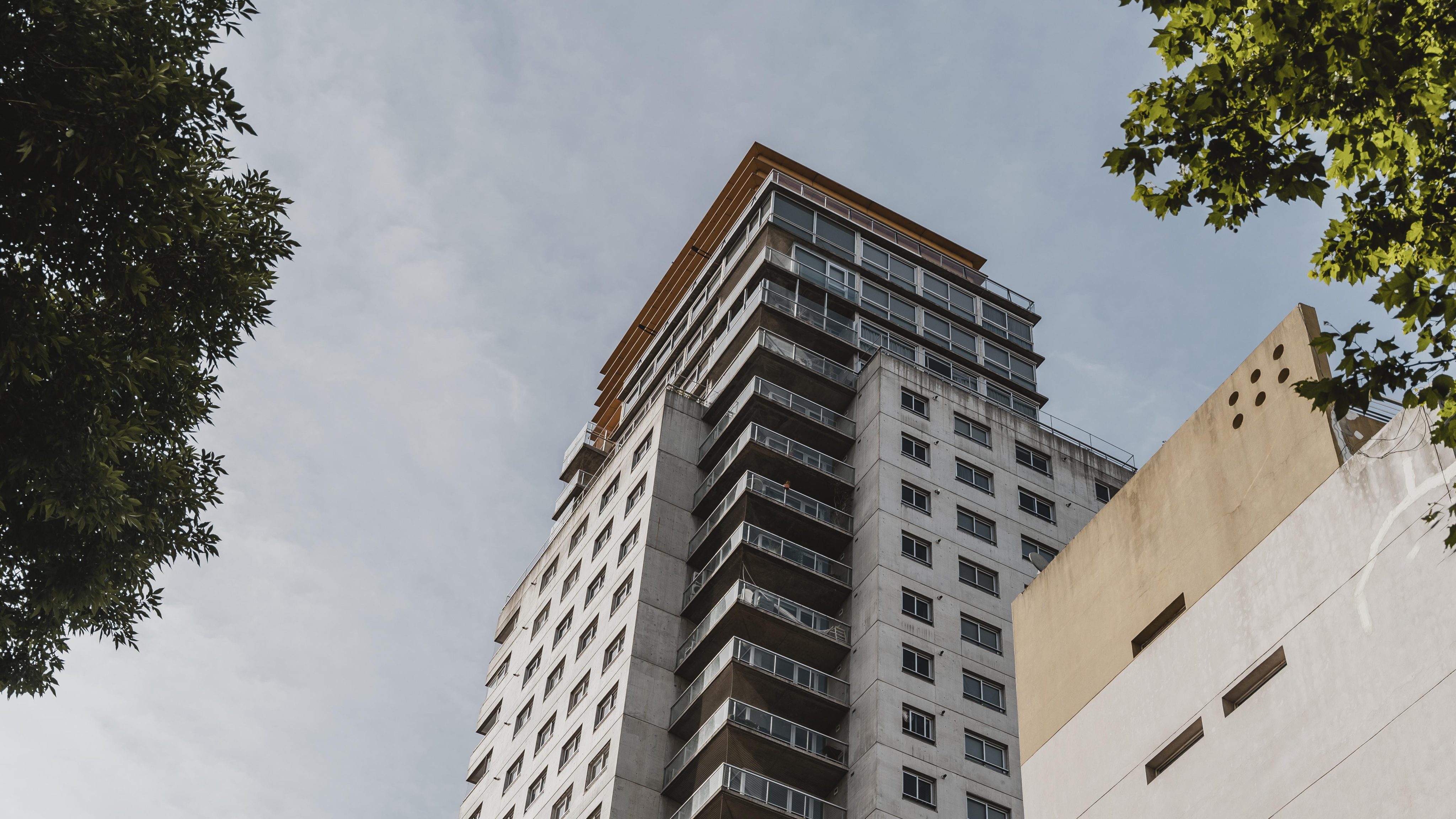
Downtown Los Angeles skyline with high-rise condominium buildings. Despite Southern California’s real estate boom, many condos are taking longer to sell or even going unsold. Recent data show the condo market “has been slowing due to surging insurance costs and HOA fees, which have priced many buyers out”. In practice, a rising share of condos now sell below their list price, and owners often end up scrapping or re-listing after failed escrows. Why is this happening? In short, Southern California condos face unique hurdles that single-family homes do not. In this article we’ll dive into the real reasons, backed by data and expert insight, and offer practical tips for sellers and buyers.
Selling a condo in Southern California means understanding not just the basics of supply and demand, but also factors like association dues, lender rules, insurance spikes, and even state safety laws. Skipping any of these steps can leave a condo stuck on the market. In the sections below, we break down each challenge with real examples and stats and finally offer next steps. Along the way we’ll sprinkle in the targeted keywords (like Southern California condo market, condo resale value, HOA impact on resale value, etc.) to stay focused on our topic. No platitudes here, just the gritty facts you need.
High HOA Fees & Maintenance Costs Drive Buyers Away
One of the biggest “hidden” costs in a condo purchase is the HOA fee, and in SoCal those fees can be shockingly high. In many Southern California communities, monthly HOA dues run $300–$500 or more. These fees cover things like insurance, landscaping, and amenities, but they also directly affect buyer budgets. As a Jack Ma Real Estate analysis of North Orange County shows, condos with fees over $500/m perform far worse than low-fee buildings. In fact, condos with an HOA above $500 averaged 70–100 days on market, roughly 3–5 times longer than similar units with an HOA under $500. That means a listing that might sell in a week sits for months if dues are too high.
Why does this happen? Buyers aren’t shopping on list price alone; they calculate total monthly payment, including HOA. A high fee acts like an invisible price hike. Jack Ma’s team explains that “a $600 HOA is equivalent to roughly $80,000 in mortgage buying power." In other words, two $500K condos listed the same might not feel the same: if one has $600 fees, buyers treat it like an $580K price tag. Many buyers simply filter such listings out online or shift to lower-HOA communities. The upshot: high-HOA condos often get fewer showings, slowing down offers and forcing price cuts.
At the same time, maintenance costs and deferred repairs can compound the problem. Older condo projects sometimes have crumbling decks, aging roofing, or outdated common areas, and associations often sneak in major special assessments for repairs. California’s safety laws (like the new SB-326 balcony inspection law) mean many HOAs now need millions in upgrades. Until those expenses are funded, projects can become ineligible for financing (more on that below). Buyers see these costs looming and either demand price reductions or walk away.
Key point: High monthly dues or surprise special assessments are a red flag. They make buyers balk, even if the list price is reasonable. In Southern California condos, a high HOA often means slow sales and more aggressive negotiations.
Lending Headaches: The “Condo Blacklist” and Financing Hurdles
Another under-the-radar issue is financing. Many condos can only be sold with a mortgage that meets strict lender criteria. If a project fails those standards, it can end up on a kind of federal “blacklist” (Fannie Mae’s Unavailable List). Jack Ma Real Estate reports that hundreds of Southern California condo projects are on this list. When that happens, almost all conventional loans are blocked, meaning only wealthy cash buyers remain.
How does a condo get “blacklisted”? Fannie Mae and Freddie Mac check HOA finances and safety. A project can be flagged for issues like underfunded reserves (many California HOAs keep only 5–7% of budget in reserve, far below the 10% guideline), inadequate property insurance, pending lawsuits, or urgent structural problems (think broken elevators or leaky roofs). For example, after the 2021 Surfside collapse, Fannie tightened rules: each condo must have full replacement-cost insurance on the building. Any lapse can trigger disqualification. Meanwhile, state laws now require balcony inspections by 2025. If a building needs repair and hasn’t completed it, lenders may mark that condo ineligible too. In short, technical HOA and safety issues can leave a condo unwarrantable.
The impact on sellers is dire. Jack Ma Real Estate notes: if a condo is flagged, “conforming loans are off the table… [buyers] may only qualify for a non-warrantable loan at roughly 7.75% with at least 20% down” (versus ~6.5% with 3% down on an approved condo). Many buyers simply walk away rather than pay higher rates or bigger down payments. Even FHA/VA loans are limited to pre-approved projects; if a condo isn’t on those approved lists, those borrowers are stuck. The result? Well-qualified buyers who assume they can finance a condo often find out too late that “Shadow Ridge has just been blacklisted,” collapsing deals just days before closing (as one Jack Ma case shows). Sellers then scramble or must drop price dramatically to tempt cash buyers.
Key point: Financing roadblocks are invisible until they happen. If your condo’s HOA isn’t fully up to code (reserves, insurance, inspections), it may be unmarketable with a mortgage. This shrinks your buyer pool overnight and pushes down condo resale value.
Insurance Costs, Rising HOA, and Special Assessments
Even for condos that can be financed, insurance is taking a big bite. Across California, insurance premiums have spiked, especially in fire-prone areas. Those higher insurance bills get passed to condo owners via HOA dues. A Sacramento appraisal blog warns that higher insurance means “a big part” of the condo softness: “insurance increases leading to HOA fees rising” will keep condos on shaky ground.
Redfin data confirms this trend: nationally, analysts note, "Rising insurance costs and new safety regulations cause HOA fees to soar." In other words, owners paying more than $500/m for insurance and HOA should consider selling. One agent laments that a $400K condo with a $500 HOA (common in SoCal) just isn’t affordable for many buyers. Those owners often give up and list, flooding the market. The surge in supply plus price resistance among buyers means condos now sell for much less than their asking price; the share of deals below list recently hit a multi-year high.
Meanwhile, special assessments have become common. When HOAs fail to save enough, they levy big one-time fees. For older SoCal complexes, owners sometimes owe $10K+ in a single year for repairs. Few buyers want to inherit that, so sellers must offer credits or drop the price.
Key point: Insurance-driven HOA hikes and sudden special assessments are quietly killing condo deals. They reduce affordability and scare buyers. With costs up, many condos now sell below asking or not at all.
Market Trends: Supply, Demand and Location Factors
Beyond the financial crunch, general market trends are at work. Southern California’s economy and demographics still drive housing demand, but mostly for single-family homes and luxury condos. Mid-priced condos face tougher competition. Inventory for condos has risen in many areas (partly from owners listing because they can’t afford the costs), giving buyers more choice. Flat prices and falling interest rates have helped, but not evenly across condo buildings.
Location matters a lot. Urban high-rises with strong management or newest amenities still sell fairly well. But older suburban complexes without updates often languish. For example, two Yorba Linda condo projects might have identical floorplans; if one has a sparkling new gym and the other doesn’t, buyers flock to the newer one, driving its value up. Many buyers in SoCal will tolerate no or moderate HOA only if the place feels like a good value (up-to-date fixtures, no foreseeable repairs).
No large real estate outlet is branding SoCal a “crash,” but insiders see that each neighborhood is its own market. Revitalized downtown or coastal condos may outperform tired suburban ones. That means a condo’s location, quality, and HOA perks can mean the difference between a quick sale and months of showings. As one Los Angeles-area expert put it, “Oh, condos. Poor condos… When you buy a $400,000 condo, it often means paying a $500 HOA fee, so… some buyers are looking to small single-family homes instead."
Key point: Market conditions can make even similar condos sell very differently. In Southern California, newer or well-located buildings with reasonable fees may still attract interest, but others get stuck. Each condo should be priced and marketed in the context of its submarket and perks (or lack thereof).
Buyers’ Psychology and Pricing Strategy
Understanding why condos stall often comes down to one thing: buyer confidence. Buyers today have far more online tools, and they use them. They know how to filter by HOA fee, location, and even past price cuts. If a condo listing doesn’t pop up because its fee is out of their range, it essentially never gets “seen.” If it stays too long, buyers wonder, "What's wrong with it? ” and may skip over it.
This means pricing and presentation are vital. If your condo’s HOA is higher than others in the area, your list price must account for that. Jack Ma Real Estate advises sellers to price fairly from day one: “If your condo ends up sitting on the market, it can scare buyers off." Staging, good photos, and highlighting nearby conveniences (transit, shops) help, but they can’t overcome a fundamental affordability gap.
Sellers should also gather all HOA disclosures up front, showing budgets and reserve studies to prove the association is healthy. A condo with open books and no surprise assessments will sell faster. Without that, buyers negotiate from a position of caution.
Key point: Clear, realistic pricing and transparency are non-negotiable. If your HOA fees or location put you at a disadvantage, start with a sensible list price (often below comps for houses). Avoid letting the condo “sit,” or buyers will assume it’s flawed and lowball you.
Bringing It All Home: How to Overcome the Challenges
While this list of issues may sound daunting, it’s not hopeless. Many condos do sell smoothly each year. The key is awareness and strategy. A seller who understands HOA impact, checks for any financing flags, and prices competitively can still get offers. A buyer who does due diligence (reviews HOA docs, checks Fannie/Freddie approval status, calculates total costs) can find good deals in the slowdown.
Throughout 2026, we expect the Southern California condo market to slowly stabilize rather than crash. Some markets will bounce back as mortgage rates tick down and buyers get used to new norms. But the imbalance of fees and financing will keep shifting leverage toward cautious buyers. Sellers and agents need to be smarter than ever: don’t rely on old assumptions (like “condos always sell quickly”). Instead, highlight your unit’s strengths (updated kitchen, solid HOA with healthy reserves, convenient neighborhood) and address the weaknesses head-on (reduce price if needed, offer a credit for assessments, etc.).
In sum, condos often struggle to resell in Southern California because they expose every hidden issue that houses don’t have. High dues, special assessments, outdated buildings, or lending constraints, any one of these can stall a sale. Combined with a surge of listings from owners exiting under pressure, it’s created a buyer’s market for condos in many SoCal neighborhoods.
But knowledge is power. By understanding why condos do not sell smoothly right now, you can take steps to fix or work around each problem. Lower your HOA impact on buyers, ensure financing is available, and price to reflect the true value (or drawbacks) of your unit. Southern California real estate is still fundamentally driven by location and desirability. If you align your condo’s price and condition with what buyers expect, you’ll beat the odds.
Elevate Your Condo Sale with Jack Ma Real Estate
Your condo can beat the market’s challenges. At Jack Ma Real Estate, we specialize in Southern California condos and the tricky nuances that come with them. We’ve helped dozens of sellers move their condos quickly even in slow markets by tackling HOA issues, guiding pricing, and marketing directly to the right buyers.
Are you ready to unlock your condo’s full potential? Don’t let high dues or financing red tape stop you from a fast, profitable sale. Contact Jack Ma Real Estate today for expert advice. We’ll assess your situation, help you set a winning price, and navigate all the HOA and lender hurdles. Your next buyer is out there; let us help you find them.
Call (909) 610-5188 to schedule a free consultation. Jack Ma Real Estate: your partner in making condominiums sell faster, not stay longer.
Frequently Asked Questions
Q: What are the main reasons condos are harder to sell than houses in Southern California?
A: Condos face extra costs and restrictions that houses don’t. High HOA fees and special assessments often make monthly costs much higher, scaring away buyers. Also, lenders impose stricter rules on condos (reserve funds, insurance, inspections), so some units become ineligible for regular mortgages. Finally, many buyers just prefer houses or newer condos, leaving older projects with fewer buyers. All together, these factors push condo resale value down and stretch out the selling process.
Q: How exactly do HOA fees impact my condo’s resale value?
A: Think of an HOA fee as a monthly add-on to the mortgage. For example, an extra $500 a month in dues can feel like adding tens of thousands of dollars to the sales price. Buyers often filter out high-HOA listings altogether, meaning your condo may get fewer showings. If fees are above about $550–650, Jack Ma Real Estate data shows buyers get very sensitive – they’ll shop elsewhere or demand big price cuts. In short, high HOA fees decrease affordability, which hurts demand and resale value.
Q: What should I know about condo financing (the so-called “mortgage blacklist”)?
A: Some condos end up on Fannie Mae’s Unavailable List, meaning conventional loans won’t close on them. This can happen if the HOA has too little in reserves, insurance gaps, pending lawsuits, or serious maintenance issues. If your condo is on that list, most buyers will have to pay cash or take a costly non-warrantable loan. To avoid surprises, ask your HOA or lender if the building is approved by Fannie/Freddie, and make sure financial documents are in order. Jack Ma Real Estate can help you identify and address these problems before listing.
Q: Can I do anything to speed up my condo sale in this tough market?
A: Yes. Start by pricing realistically. Even if your unit is lovely, you may need to list lower than expected if fees or location are against you. Improve curb appeal (clean common areas, fresh paint) and stage your condo to highlight strengths. Be transparent: provide HOA financials, budgets, and reserve studies to serious buyers so they trust there are no hidden costs. Consider sweeteners like offering to cover a portion of a special assessment or paying an extra buyer’s agent commission. In many cases, partnering with an agent experienced in condo sales (like our team) can make a big difference, we know how to position your condo’s story so the right buyer sees the value.
Q: How can Jack Ma Real Estate help me sell my condo in Southern California?
A: We live and breathe the Southern California condo market. Our agents know the local buildings, HOA rules, and buyer preferences inside-out. We’ll analyze your condo’s HOA fees. condition, and financing eligibility, and recommend exactly what to fix or disclose. Then we craft a marketing plan targeting the right audience (for example, highlighting updated features for move-in-ready buyers or emphasizing mortgage paydown for investor-type buyers). Many clients hire us specifically because we understand the unique condo resale challenges – and have a track record of overcoming them. In short, we do everything we can to get your condo sold faster and for top dollar.
Check out this article next