

Your home is likely your biggest investment, so understanding what decreases property value is crucial. The truth is, location matters most; proximity to good schools, jobs, and safe neighborhoods often makes or breaks a home’s worth. But there are plenty of controllable factors, too. In this guide, we’ll look at the biggest factors that lower home value and common property value mistakes so you can protect your investment. From deferred maintenance to bad neighbors, we’ll explain things that hurt property value and share practical tips on how to protect home value.
- Learn which upkeep tasks and upgrades pay off, and which ones can backfire.
- See how external factors like foreclosures or noise affect appraisals.
- Get home appraisal value tips and real estate home value factors to watch.
Understanding these issues now can save you thousands later. Let’s dive in:
1. Deferred Maintenance: A Home Value Killer
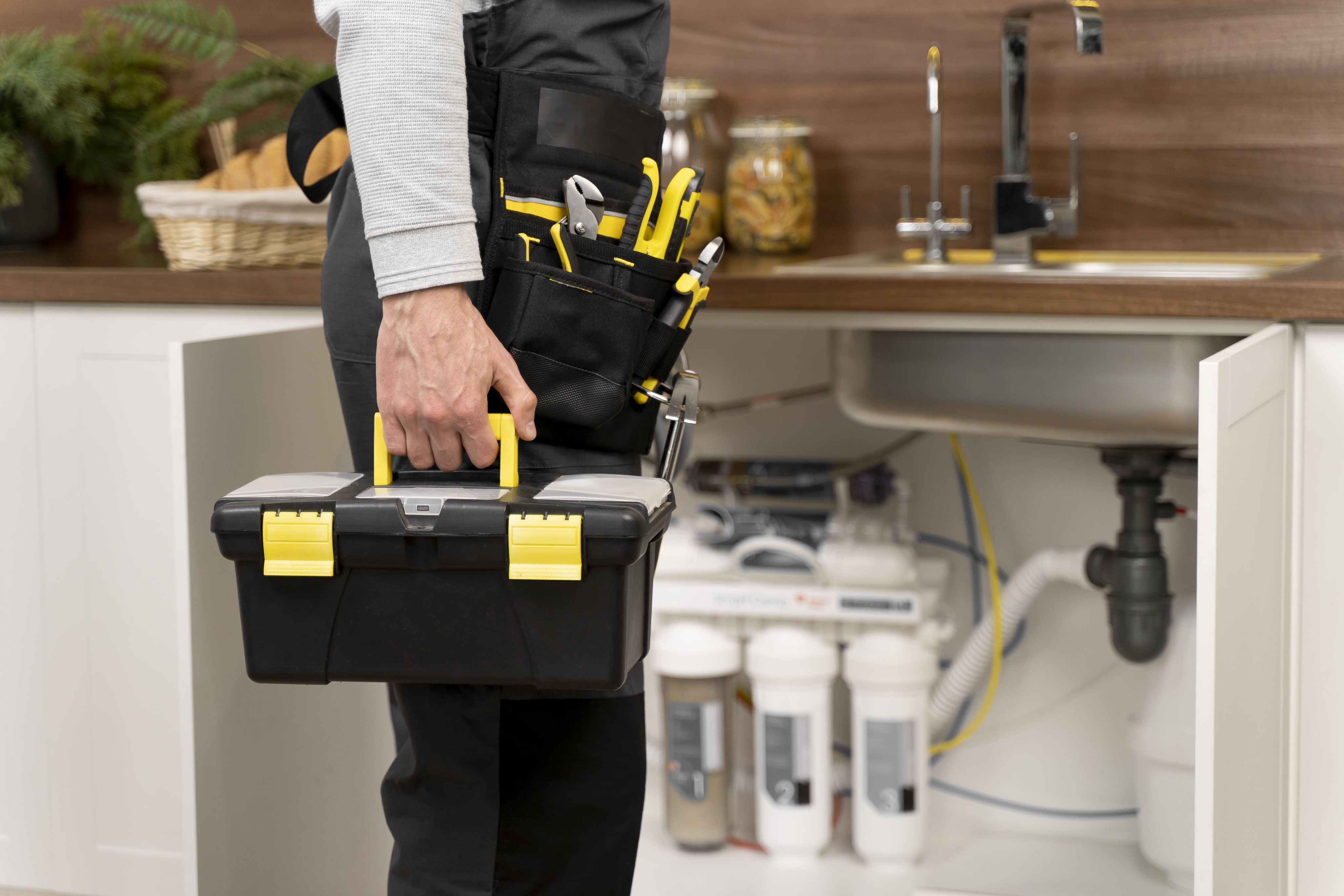
Regular upkeep isn’t glamorous, but skipping it hurts your home’s worth. Neglected maintenance: a leaky roof, broken windows, or peeling paint sends a red flag to appraisers and buyers. One lender warns that a well-maintained house can fetch a higher price, while a home in disrepair “can be a major turn-off” and lead to lower offers. In other words, minor fixes now prevent major losses later.
- Roof & Gutters: Fix missing shingles and clear gutters. Water damage is expensive and scary to buyers.
- Plumbing & HVAC: Repair drips and ensure heating/cooling systems work. Buyers may lower offers if they spot mold or leaks.
- Exterior Walls & Trim: Seal cracks, repaint or replace rotten siding. A fresh facade protects the structure and impresses appraisers.
A stitch in time saves nine. In fact, experts note that every dollar spent on upkeep can save hundreds in future repairs. Think of maintenance as an insurance policy: leak-proofing your home today keeps its value high tomorrow.
2. Outdated or Over-Personalized Interiors
Buyers want a blank canvas, not your personal style portfolio. Outdated kitchens, bathrooms or bizarre decor choices can hurt property value by making a house feel like a project. For example, an avocado-green bathroom from the 1970s or a shag-carpeted jungle screams “DIY nightmare” to homebuyers. Redfin notes that overly personal or old-fashioned features often bring down property value, because buyers immediately calculate the cost to update them.
- Kitchens & Baths: Worn cabinets, old appliances or dingy fixtures are deal-breakers. A modern, clean kitchen or bath can greatly increase appeal.
- Fonts & Colors: Bold wallpaper or neon paint may have been fun once, but it limits buyers’ imaginations. Neutral colors and simple finishes sell much faster.
- Luxury Frills: A disco-lit home theater or an elaborate mural might delight you, but not everyone. Too much custom flair can even narrow your buyer pool.
Think of your home as a product: it should appeal to many tastes. Simple updates like new cabinet hardware, modern light fixtures, or removing funky carpet can make your place feel fresh without breaking the bank.
3. Curb Appeal & Exterior Blunders
First impressions count. A messy yard, peeling siding, or a crackling driveway tells buyers you’ve neglected your home. Redfin calls poor curb appeal one of the top things that hurt property value. An overgrown lawn or a broken fence is like sending buyers straight back to their cars.
- Landscaping: Mow the lawn, trim trees and bushes, pull weeds, and plant a few flowers. Simple yard work can make the whole house look loved.
- Exterior Cleaning: Power-wash the siding, clean windows, and touch up peeling paint on shutters and doors. A tidy exterior suggests the rest of the house is in good shape.
- Repairs: Fix visible issues, replace missing roof shingles, repair cracked sidewalks, and remove any trash or debris from the yard.
Remember the old saying: Don’t judge a book by its cover, except homebuyers do. If the outside is ugly, they will assume the inside is worse. Even if neighbors or the weather have caused damage, do what you can. For example, clean up an unsightly exterior; every little bit helps preserve value.
4. Shoddy Renovations and Permit Problems
It’s tempting to cut corners on DIY fixes. But sloppy work or missing permits can dramatically lower home value. An appraiser may downgrade a home if repairs look amateurish or illegal. According to Redfin, if buyers spot unpermitted additions or botched projects, they often delay closing or slash their offers to cover potential fixes. In short, bad renos often backfire.
- DIY Gone Wrong: Even small mistakes like uneven tile, exposed wiring, or poor caulking scream “red flag.” Hire pros or do it right (see HUD’s checklist).
- Permits and Codes: Always pull permits for major jobs (such as adding a bath or deck). If an appraiser finds unpermitted work, buyers could demand credit or repairs, effectively lowering the sale price.
- Over-Improving: Upgrading beyond neighborhood norms (e.g., a multimillion-dollar kitchen in a modest area) can mean you won’t recoup costs. Appraisers and buyers compare “comps,” so a $50k luxury addition might not increase resale value by $50k.
In other words, only invest in improvements that make sense for your home and area. If a project isn’t worth it, skip it, or only do it if you love it and aren’t reliant on resale profit. When in doubt, ask an agent whether your plans might be a property value mistake.
5. Bad Neighbors and Neighborhood Issues
You can’t control neighbors, but a rough neighborhood will erode your home’s value. The Appraisal Institute warns that living near a “bad neighbor”, someone with loud habits, cluttered lawns, or other nuisances, can cut a home’s value by 5–10%.
Yes, just one problem, the house on the block can drag yours down. Studies even show homes near foreclosures see about a 1–2% value hit. Other red flags for buyers include loud traffic, nearby industrial sites, or environmental hazards.
- Noisy or Nuisance Neighbors: Barking dogs, loud parties, junked cars, these all repel buyers. If you can, talk to neighbors or your HOA to improve things.
- Crime and Safety: High crime rates or registered offenders in the area spook buyers. (Check local crime maps or reports when you’re considering a purchase.)
- Local Eyesores: Nearby landfills, power plants, strip clubs, or even low-rated schools can lower your property’s appeal. For example, an unsightly junkyard can make an otherwise nice home hard to sell.
- Foreclosures and Blight: Vacant or foreclosed homes nearby can drag down neighborhood averages. A study found homes within a few hundred feet of a foreclosure dropped about 1.3% in value.
If neighbors are a serious problem, be proactive. In extreme cases, you might resort to legal or HOA action. But when buying a new home, drive the street at different times of day or talk to locals to spot trouble in advance.
6. Location, Zoning & External Factors
Beyond neighbors, several location-related issues can sap value. Top-tier school districts, safe streets, and nearby amenities usually boost value, while the opposite drags it down. Here are some big external factors:
- School Quality: Homes in good school zones command a premium. Opendoor notes that homes tied to high-rated schools often sell far above median prices.
- Traffic & Noise: Homes next to busy roads, railways, or loud businesses lose appeal. Constant noise can make buyers offer less.
- Natural Hazards: If your home is in a flood zone, wildfire area, or earthquake-prone spot, insurance and buyers’ concerns can lower offers. Mandated flood insurance alone reduces many buyers’ budgets.
- Local Economy: Job loss or a decline in the local industry can reduce demand. Conversely, new highways or shopping centers can boost value over time.
The rule: location is king, even if your house is perfect. However, you can highlight positives. For instance, if a new park or tech campus is coming to town, mention it, buyers (and appraisers) might not know.
7. Market Conditions & Timing
Some factors are simply out of your hands. Nationwide interest rates, the economy, and local market supply/demand swings affect your home’s value. For example, when interest rates climbed in recent years, many markets cooled or flattened, even if homes were in good shape. If supply exceeds demand (like in a buyer’s market), even a perfect home may sell for less than expected.
- Seasonality: Spring often brings more buyers. Selling in winter or during the holidays might mean a longer sale or lower offers.
- Economic Trends: A recession, pandemic, or local industry shutdown can reduce buying power. On the flip side, booms (like a new employer in town) can spike prices.
In short, you can’t change the market, but you can set realistic expectations and be patient. Work with a savvy agent to time your sale and price it to reflect current conditions.
8. How to Protect Your Home’s Value
Now that we’ve covered what lowers house appraisal and value, let’s flip the script. Here’s how to protect and even boost your property’s worth:
- Stay on Top of Maintenance: Regularly inspect and fix issues as soon as they arise. The Federal Savings Bank points out that “a home in excellent condition can fetch a higher market price,” so don’t let small repairs slide. Create a maintenance checklist (gutter cleaning, HVAC service, roof check, etc.) and follow it yearly.
- Update Smartly: Invest in high-ROI improvements: kitchens, bathrooms, and curb appeal projects often pay off. But avoid over-improving or trendy decor. Choose updates that match neighborhood standards. For example, a new garage door or energy-efficient windows can add more value than an extravagant home theater.
- Communicate Upgrades: When selling or refinancing, compile a list of all recent improvements and permits. Appraisers appreciate knowing about things like a new roof, updated electrical, or efficient HVAC. Sharing this one-page list ensures nothing gets missed.
- Do a Practice Appraisal: Walk through your home as if you were the appraiser. Look for deferred maintenance or safety issues (like non-working smoke alarms) and fix them. Inspect every corner, because an appraiser will, so leave nothing for them to flag.
- Curb Appeal: A little landscaping goes a long way. Mow the lawn, plant colorful flowers, and wash the driveway and siding. The goal is a welcoming first impression. Even power-washing the driveway or adding potted plants at the entrance shows pride of ownership.
- Price It Right: Overpricing a home can sink its value. If it sits unsold, buyers assume something is wrong and may submit lowball offers. Work with an agent to set a competitive price based on recent comps. Redfin warns that overpriced listings often end up selling for less in the end.
Remember, small improvements today can make a big difference at sale time. By staying proactive, you keep your home from becoming “the one with problems.”
Ready to Empower Your Home’s Future?
Your home is more than a roof over your head; it’s an investment and a legacy. If you’ve spotted any warning signs or just want personalized advice, Jack Ma Real Estate is here to help. Our experienced team can guide you through smart upgrades, effective repairs, and strategic pricing. We offer:
- A free home value check-up – we’ll tour your home (or review it virtually) and point out quick wins and red flags.
- Customized home improvement plans – focusing on high-ROI projects that fit your budget.
- Expert selling strategies – including staging tips, marketing, and neighborhood insights to maximize your price.
Don’t wait until it’s too late. Protecting your home’s value starts now. Contact Jack Ma Real Estate today for a free consultation and see how you can increase your curb appeal, avoid costly mistakes, and lock in your home’s value for the future. Your home deserves the best care – let us show you the way.
Key Takeaways: Safeguard Your Home’s Value
- Maintenance is non-negotiable. Routine upkeep (fixing leaks, painting, servicing systems) protects value.
- Curb appeal matters. An inviting exterior makes buyers confident. Neglecting the yard or façade sends buyers running.
- Renovate wisely. Do popular updates (like kitchens or bathrooms), but avoid weird customizations or skipping permits.
- Mind your neighbors. Loud, unsightly, or unsafe surroundings can cut value by up to 10%. Pick houses (and neighbors) carefully.
- Be appraisal-ready. Declutter, clean, fix obvious issues, and share your upgrades. An appraiser will note every flaw and every perk, so be thorough.
By steering clear of these common mistakes and taking proactive steps, you’ll keep your home’s value strong. Take control of your property’s worth today, your future self will thank you.
Frequently Asked Questions
Q: What is the single biggest factor that decreases a home’s value?
A: Location. Homes in good school districts, safe neighborhoods, and close to jobs/amenities will always command higher prices. Even a costly renovation can’t fully make up for a bad location. Focus on big-picture factors like school ratings, crime rates, and commute options. For controllable issues (like landscaping or maintenance), see below.
Q: How much can bad neighbors or neighborhood problems lower my home’s value?
A: Studies show a significant impact. The Appraisal Institute estimates a difficult neighbor or unsightly nearby property can shave 5–10% off your home’s value. A yard full of junk or a loud party animal next door can scare away buyers. Likewise, nearby foreclosures can knock value down a bit (around 1–2%). It’s worth addressing neighbor issues if you can, or at least factoring them into your sale price.
Q: What home maintenance should I prioritize to protect my home’s value?
A: Tackle any urgent fixes first: a leaking roof, cracked foundation, or mold problem. Then keep up routine tasks: clean gutters, service the HVAC, fix plumbing leaks, and maintain paint/stucco. The Federal Savings Bank notes neglected upkeep “can be a major turn-off” to appraisers. In short, fix safety hazards and water damage right away. A well-maintained home “fetches a higher price”, so prevention is your best strategy.
Q: Can home improvements ever hurt my property value?
A: Yes, certain upgrades can backfire. Over-customization is a big one: extremely niche features (like a disco-themed room or a pet grooming station) may deter most buyers. Also, avoid over-improving beyond the neighborhood norm, you may not recoup that extra cost. Finally, shoddy DIY work or unpermitted additions can lower value. For example, unpermitted electrical or plumbing might force buyers to demand a lower price or even back out. The key is smart, high-ROI updates done properly.
Q: What should I do to get the best appraisal value for my home?
A: Prep and communicate. First, do a “self-appraisal”, inspect your home as an appraiser would, and fix obvious issues. Clean and declutter every room to show the home’s true potential. Research recent sales of similar homes (comps) in your area so you know what buyers paid. Make sure appraisers see your updates: share a simple list of improvements (with permits) like a new roof, upgraded kitchen, or energy-efficient windows. By highlighting the positives and eliminating negatives, you help the appraiser give you a higher valuation.
Check out this article next